Iranians defied a nationwide internet shutdown on Friday, launching a 13th consecutive day of protests that have now evolved into the most significant challenge to the Islamic Republic in decades.
As demonstrations spread to over 500 locations across the country, authorities sustained a blanket communications blackout that rights groups warn is being used to mask a violent state crackdown.
According to data from Norway-based Iran Human Rights (IHR) and HRANA, the death toll has climbed to at least 62 to 65 people, including at least nine children. Over 2,300 individuals have been arrested since the unrest began on December 28, 2025.
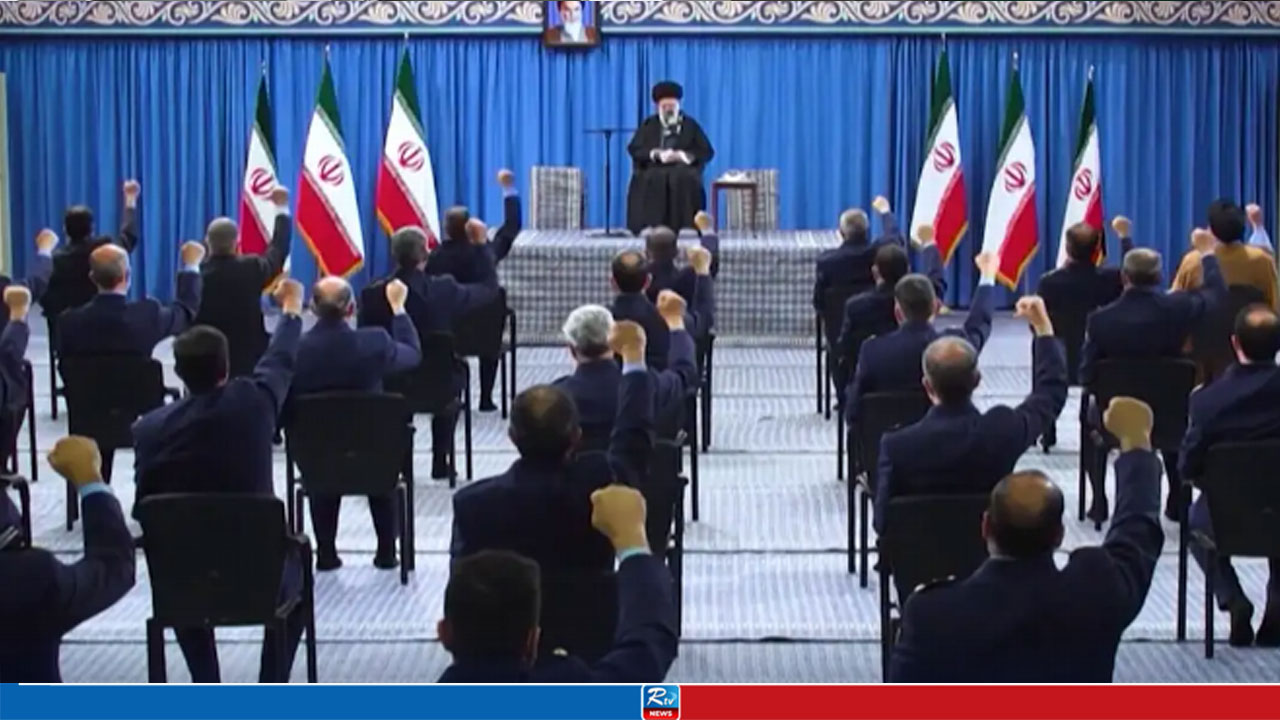
In his first televised address since the escalation on January 3, Supreme Leader Ayatollah Ali Khamenei adopted a hardline stance.
Speaking to a crowd in Tehran, the 86-year-old leader dismissed the protesters as "vandals" and "saboteurs" acting to "please the President of the United States."
Khamenei struck a defiant tone, declaring that the Islamic Republic "will not back down in the face of saboteurs."
He specifically targeted US President Donald Trump, asserting that Trump's hands are "stained with the blood of Iranians"—a reference to recent military strikes and the June war. He predicted that the "arrogant" US leader would eventually be overthrown, much like the Pahlavi dynasty in 1979.
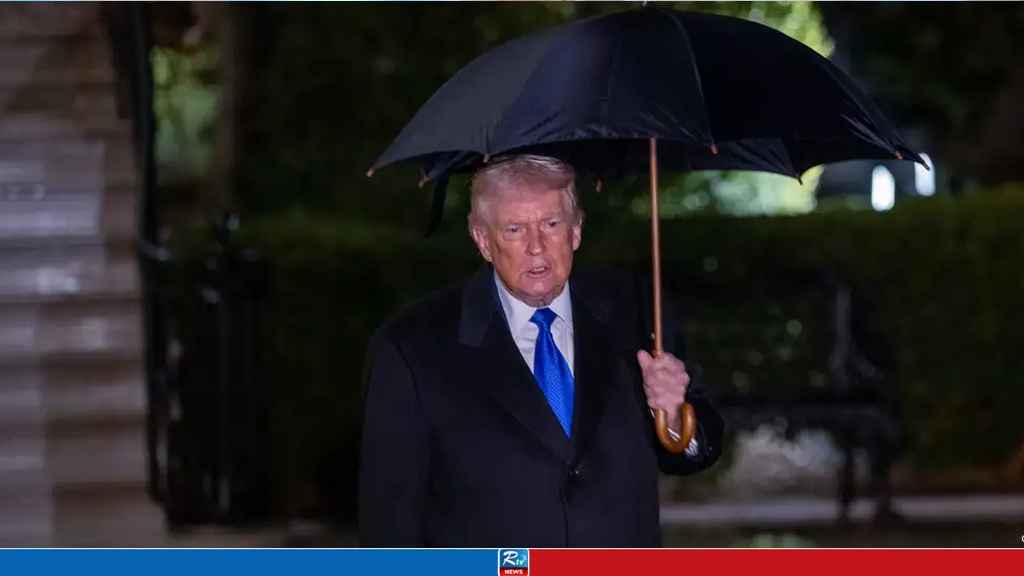
The international dimension of the crisis intensified as President Donald Trump reiterated his willingness to intervene. Speaking from Washington on Friday, Trump warned Iranian leaders against a "wholesale slaughter" of civilians.
"You better not start shooting because we'll start shooting too," Trump said, clarified that while he does not intend to put "boots on the ground," he is prepared to hit the regime "very, very hard where it hurts."
Trump also claimed that protesters were taking over certain cities—specifically citing Mashhad—though these reports remain unverified due to the information fog.
Internet monitor NetBlocks confirmed a 24-hour "nationwide internet shutdown," which Amnesty International described as a deliberate attempt to hide "grave human rights violations."
Despite the blackout, reports of nighttime chanting from rooftops and "pot-banging" protests in Tehran's Sadatabad district have surfaced.
In the southeast province of Sistan-Baluchistan, security forces reportedly fired on protesters in Zahedan following Friday prayers, leading to an unspecified number of casualties.
Meanwhile, exiled crown prince Reza Pahlavi has made a direct appeal to the US administration to provide technical and diplomatic resources to restore communications for the Iranian people.
Source: AFP





 Live TV
 RTV Plus