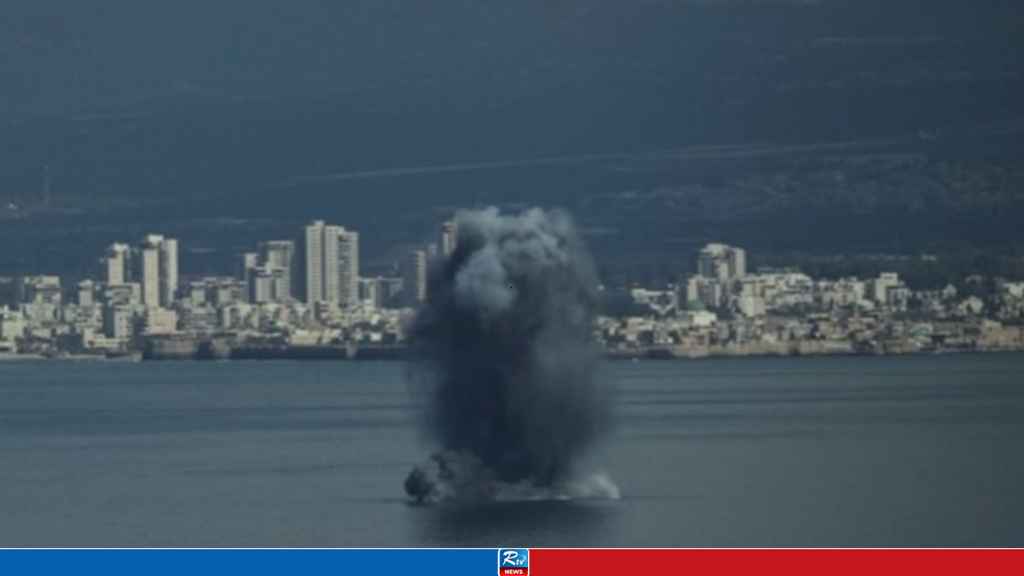
New details have emerged suggesting that a rare and powerful convergence of interests between Israel and Saudi Arabia was the driving force behind the massive US-led military offensive that killed Iran’s Supreme Leader Ayatollah Ali Khamenei.
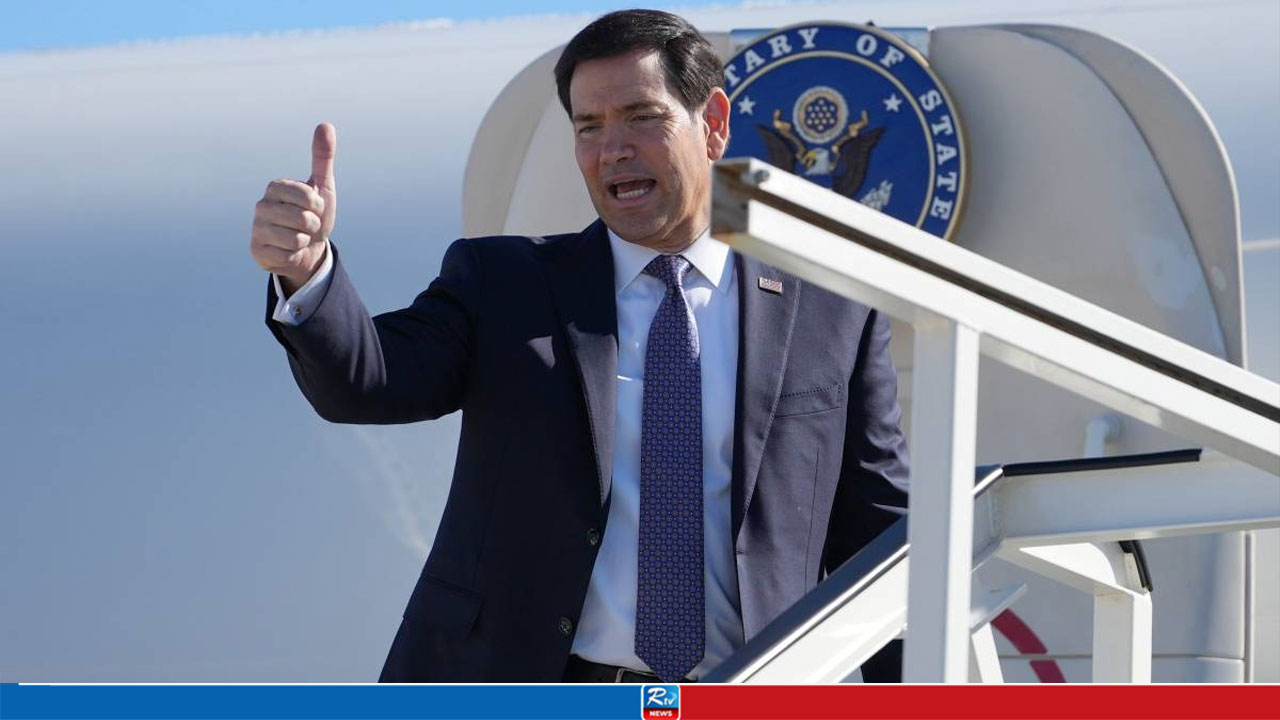
According to a report by The Washington Post, citing sources familiar with the matter, Saudi Crown Prince Mohammed bin Salman played a pivotal role in lobbying President Donald Trump to authorize the high-stakes operation.
The joint campaign, dubbed "Operation Epic Fury" by the United States and "Operation Roaring Lion" by Israel, resulted in the deaths of the 86-year-old Khamenei and several top-tier military and political officials within the first hour of strikes.
While the Saudi government has publicly called for "diplomatic support" to resolve regional tensions, the report alleges the Crown Prince privately urged President Trump to take direct military action to neutralize Iran’s regional influence.
This "Enemy of My Enemy" alliance saw Israeli Prime Minister Benjamin Netanyahu’s long-standing campaign against what he terms an "existential threat" finally align with Saudi strategic goals.
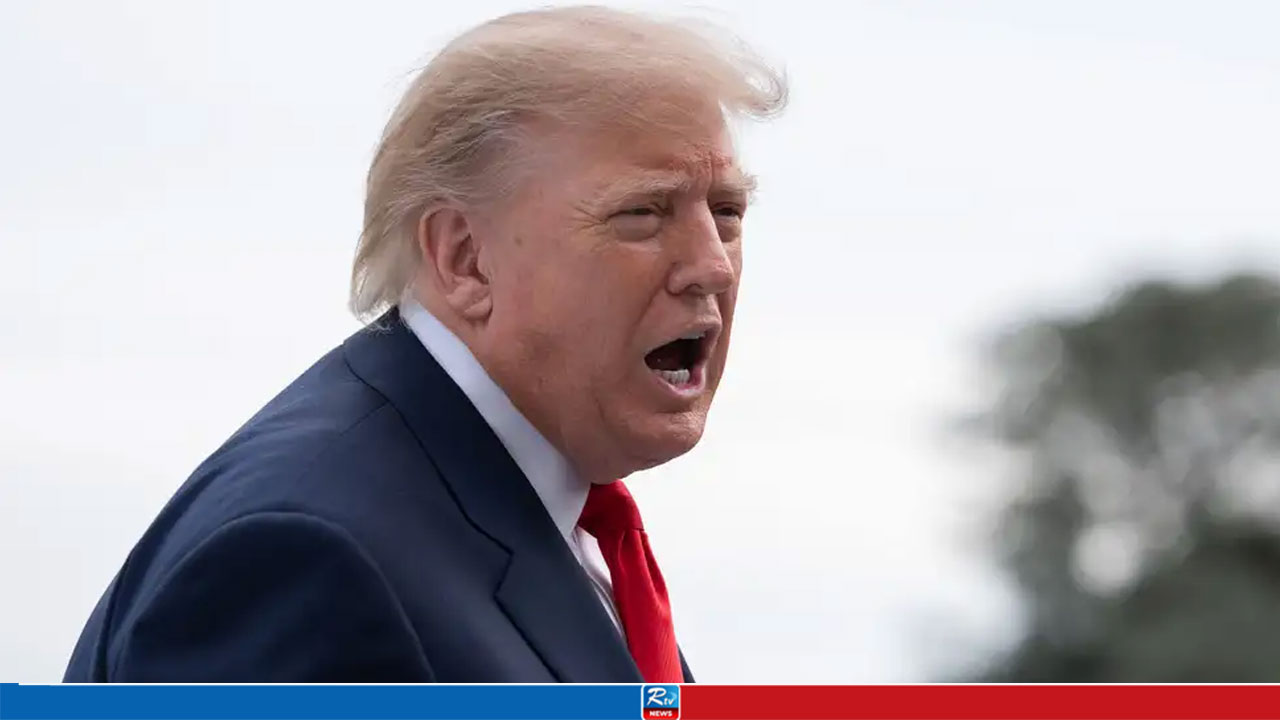
President Trump, returning to the White House with a mandate of "Strength through Action," reportedly viewed the strike as a necessary measure to eliminate a 37-year-old threat and prevent an "imminent" Iranian attack.
The successful decapitation of the Iranian leadership is being described by some analysts as the effective end of Iran's "Second Revolution."
In the wake of the strikes, Iran has entered a 40-day period of national mourning. Black flags fly at half-mast across the country, and widespread grief—intermingled with protests—has been reported in major cities.
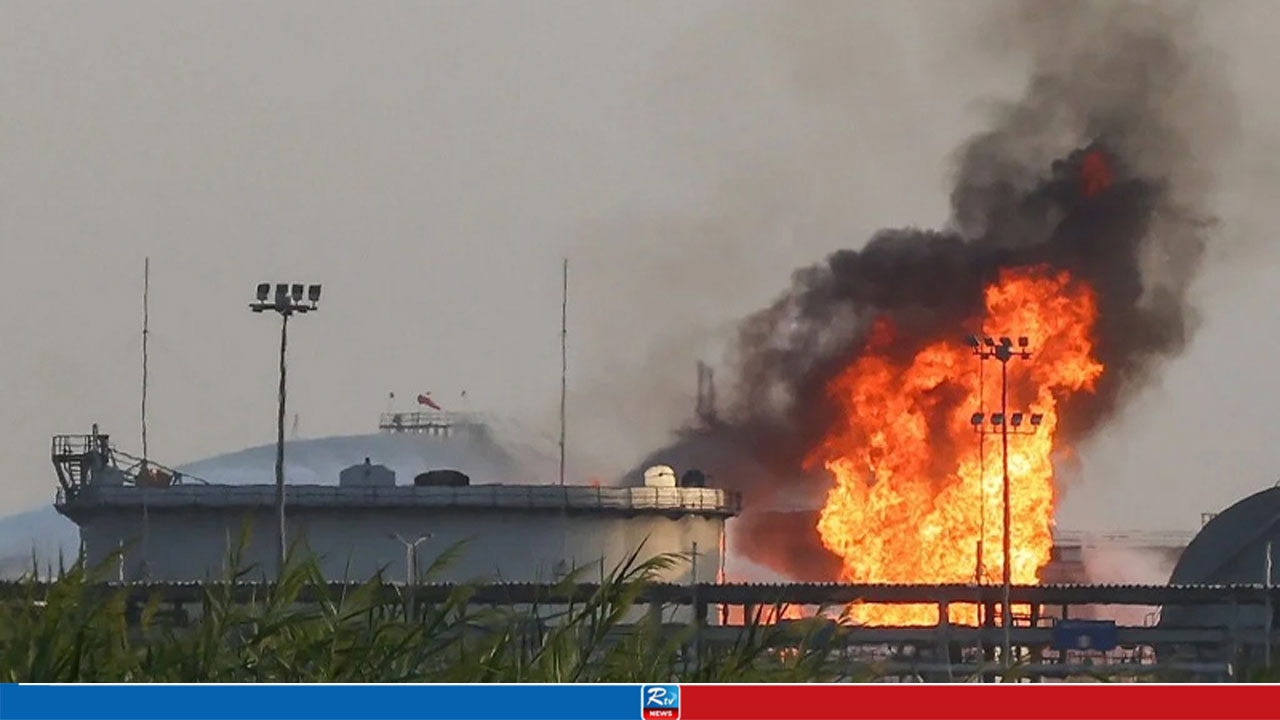
Tehran has responded with a massive wave of retaliatory missile strikes targeting US bases and Israeli interests, leaving the region in a state of volatile uncertainty.
As Iranian authorities heighten security to prevent internal unrest, the focus has shifted to the urgent selection of Khamenei’s successor.
The death of the man who led Iran with unwavering defiance against the West since 1989 marks a seismic shift in Middle Eastern geopolitics, leaving the international community to brace for the long-term repercussions of this unprecedented tripartite alignment.





 Live TV
 RTV Plus