Regional tensions have reached a boiling point as Iran vowed Thursday to make the United States "regret" the ongoing military campaign, while simultaneously maintaining its blockade of the strategic Strait of Hormuz.
The standoff has triggered a massive surge in global oil prices, with analysts warning that the conflict could result in the most significant energy supply disruption in history.
In a defiant statement posted to X, Iranian security chief Ali Larijani warned that Tehran would not back down, stating, "While starting a war is easy, it cannot be won with a few tweets. We will not relent until making you sorry for this grave miscalculation."
His comments followed an aggressive declaration from Iran’s newly appointed Supreme Leader, Mojtaba Khamenei.
In a message read on state television, Khamenei insisted that the closure of the Strait of Hormuz—a vital artery for roughly 25% of the world’s seaborne oil trade—was a necessary strategic measure.
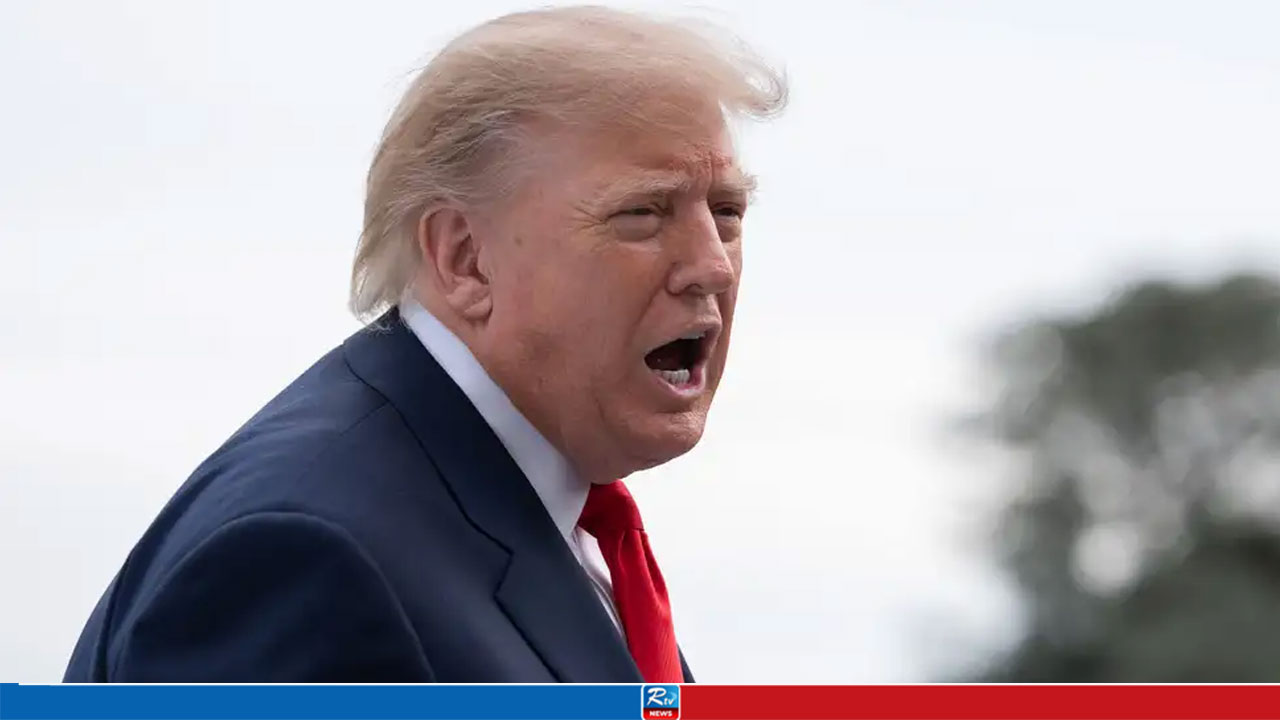
Despite the mounting economic crisis and intense political pressure regarding the volatility of global markets, US President Donald Trump maintained a firm stance.
Writing on social media, Trump suggested that defeating what he termed Iran's "evil empire" remains a higher priority than current crude oil price fluctuations.
The military situation remains fluid and increasingly dangerous.
Israeli Prime Minister Benjamin Netanyahu confirmed during a media briefing that the joint US-Israeli offensive is aimed at "crushing" Iran’s nuclear and missile infrastructure while creating conditions to challenge the current regime.
Meanwhile, Tehran’s deputy foreign minister, Majid Takht-Ravanchi, maintained that Iran is acting strictly in self-defense.
While he acknowledged that Tehran has been approached by "friendly countries" to mediate a ceasefire, he stressed that any agreement must be part of an "overall formula for ending the war altogether."
The impact of the conflict is being felt across the Gulf, with Iran threatening to "set the region's oil and gas on fire" if its own infrastructure is targeted.
Recent reports confirm damage to fuel tanks in Bahrain's Muharraq district, drone strikes near Kuwait’s international airport and in downtown Dubai, and intercepted attacks on Saudi Arabian oil fields.
The conflict has also claimed further casualties, with the French military reporting six soldiers wounded by a drone strike in Iraq’s Kurdistan region, and a US KC-135 refueling aircraft crashing in western Iraq.
The humanitarian toll is growing rapidly, with the UN refugee agency reporting that three million people have been displaced within Iran.
Inside the country, residents report extreme scarcity, with bread rationing and widespread bank runs as public trust collapses.
Concurrently, Israeli forces have expanded their operations in southern Lebanon, targeting Hezbollah command posts in Beirut, while Israel continues a broad wave of strikes against Basij paramilitary checkpoints in Tehran.
As the conflict enters its third week, casualty estimates remain difficult to verify, though official figures suggest over 1,200 deaths in Iran and continued losses across Israel, the Gulf states, and among deployed international military personnel.
Source: AFP



 Live TV
 RTV Plus