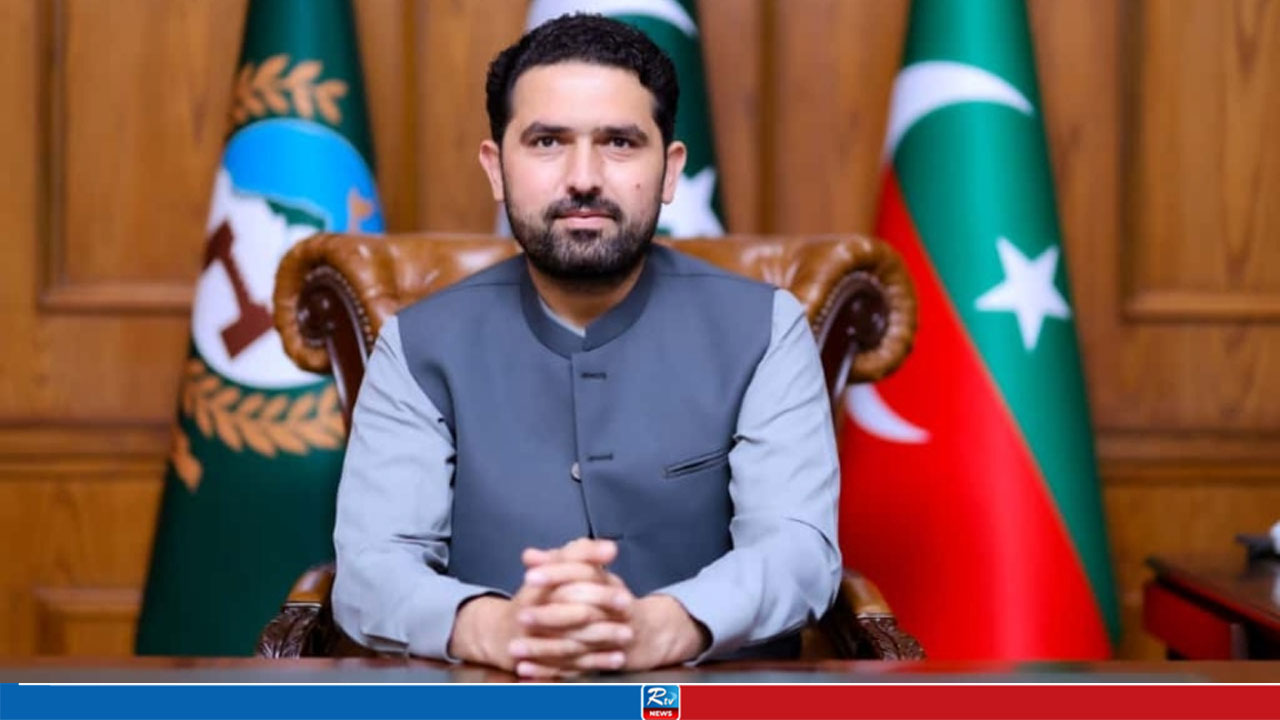
Iraq has entered into a massive portfolio of 48 international agreements and strategic commercial alliances with American corporate giants, heavily targeting the energy field, following a high-stakes diplomatic mission to the United States led by Prime Minister Ali al-Zaidi, his official media secretariat announced on Saturday.
The petroleum-dependent country is striving to transition beyond long periods of armed conflict and internal turbulence, but it continues to grapple with deteriorated foundational infrastructure, collapsing utility networks, institutional administration failures, and deeply entrenched systemic corruption.
The Middle Eastern state stands in desperate need of an immediate financial revitalization, a vulnerability exacerbated by steep drops in national revenue stemming from a recent suspension of oil exports triggered by the regional Middle East conflict.
Detailing the sweeping scope of the international deals, the Iraqi leader's press bureau stated that a total of 48 agreements, memoranda of understanding, cooperation agreements, and partnership declarations were signed between public and private sector entities in Iraq and the United States.
According to official channels, these new commercial commitments encompass deep operational alliances and cooperation involving the ministries of oil and electricity with global conglomerates like ExxonMobil, KBR, GE Vernova, Shell, and Halliburton, alongside a series of targeted agreements specifically focused on building a large-scale crude oil transit pipeline connecting Iraq to Syria.
Beyond traditional energy projects, Baghdad also formalized a communications deal with Starlink, the leading company dominating the international satellite connectivity market, to roll out its internet networks inside the country.
The diplomatic momentum was underscored on Tuesday during a bilateral summit at the White House, where US President Donald Trump lauded Prime Minister Zaidi, calling him a "champion" during their executive meeting.
Zaidi, a prominent businessman by background, assumed leadership of the government this year with the full diplomatic backing of Washington after President Trump exercised a veto against a rival prime ministerial contender.
Since taking office, the prime minister has pledged to revitalize Iraq's vulnerable economic systems and systematically disarm the various pro-Iranian paramilitary factions operating inside Iraqi territory that have historically launched attacks against American military installations and assets.
For years, Iraq has continually balanced along a highly delicate geopolitical tightrope, managing the intensely rivalrous pressures exerted by its major Western ally, the United States, and its immediate next-door neighbor, Iran.
Source: AFP





 Live TV
 RTV Plus