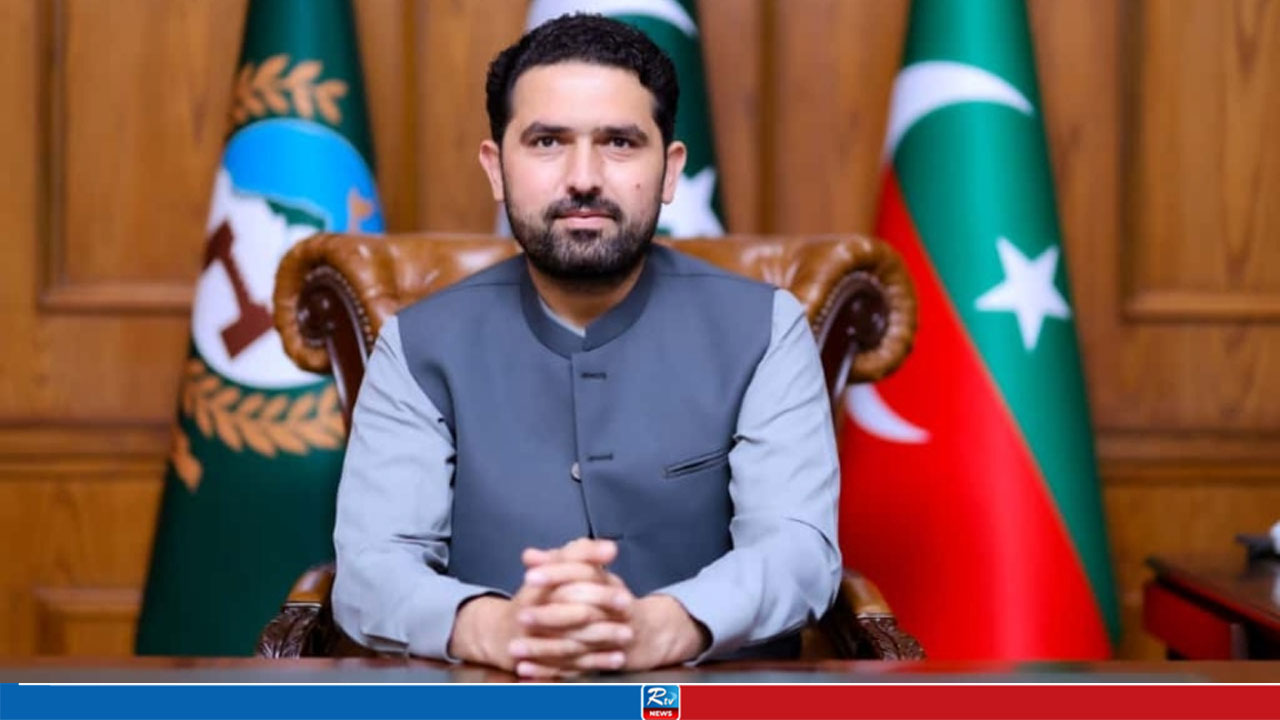
The proposed Free Trade Agreement (FTA) between India and the European Union (EU) will serve as a "game changer" for bilateral economic relations by expanding trade, accelerating investments, and facilitating travel, German Ambassador to India Philipp Ackermann stated on Tuesday.
Speaking on the sidelines of "The Travel Destination Germany Press Conference 2026" held in the national capital, Ackermann emphasized the broad economic impact anticipated from the trade deal.
"It will be a game changer in many ways. It will be for more German investment in India and maybe also for more Indian investment in Germany. The reducing of tariffs and other barriers between Europe and India will activate trade and investment in those markets," he noted.
Voicing strong confidence regarding the deal's rollout, the Ambassador remarked: "I'm very optimistic that when, in the first half of next year, we implement this, we will see change over the coming years when it comes to activities, travel, and I'm sure that will also increase the numbers of visitors on both sides."
Addressing the tourism sector, Ackermann observed that while Germany is witnessing rising interest from Indian visitors, a vast amount of untapped potential remains, requiring Germany to market its travel offerings more assertively across India.
He pointed out that the expanding Indian diaspora in Germany is fueling mutual travel through visits from family members and friends, though he emphasized that "the potential is not exhausted."
When asked whether global geopolitical instability or shifting travel trends toward Asian destinations like Japan and South Korea were impacting visitor numbers to Germany, Ackermann affirmed that Indian tourist arrivals maintain an upward trajectory.
"Basically there is an upward trend in tourism, generally speaking, in Germany, and I think you see that there is an increase in the numbers of Indian tourists," he said.
The Ambassador explained that Indian travelers have evolved considerably over the past 15 years, with many now prioritizing nature, trekking, outdoor activities, and customized travel itineraries over traditional group sightseeing.
He noted that while cost factors and evolving preferences sway destination choices, Germany stays strongly positioned to draw visitors who seek rich cultural and natural experiences, adding that Germany continues to showcase its heritage to strengthen people-to-people connections.
Providing specific targets, Romit Theophilus, Director of the German National Tourist Office, shared that Germany is aiming to cross one million overnight stays by Indian visitors, which translates to slightly over three lakh individual tourists.
"Our goal is to get over a million overnight stays into Germany. Currently that represents close to just over three lakh tourists in terms of numbers," Theophilus explained, adding that promotional efforts in India are centering on specialized campaigns for urban exploration, culinary trips, honeymoons, and destination weddings.
Theophilus detailed that Indian leisure travelers spend an average of nine nights per stay in Germany and expend over 3,000 euros per trip, translating to a daily outlay of approximately 350 euros covering lodging, food, and local transportation.
He reiterated optimism that deeper economic engagement under the proposed India-EU FTA would further boost tourism flows, noting that over three lakh Indians currently reside in Germany as professionals, students, and family members, forming a strong foundation for ongoing travel between the two nations.
Source: ANI







 Live TV
 RTV Plus