Vessel traffic through the strategically vital Strait of Hormuz plummeted by 28% over a single week, with only 77 ships navigating the vital trade route, according to data from energy and commodity tracking firm Kpler.
Concurrently, the volume of ships utilizing Iranian-controlled maritime routes has risen.
Amid these developments, the United States has issued a warning to Iran over allegations of disrupting navigation in the strait.
According to Al Jazeera, Kpler's analytics show that the number of cargo-carrying vessels dropped even more steeply, falling from 45 to just 33 during the same weekly period.
Navigation through the strait is increasingly shifting toward Iran-regulated routes. Kpler data indicates that between September 4 and 6, 21 out of 28 vessels passing through the strait bypassed conventional shipping lanes in favor of routes unilaterally designated by Iran.
On September 6 alone, 7 out of 8 transiting ships used the Iranian-controlled path.
Kpler noted that the simultaneous decline in cargo traffic and growing reliance on Iranian-controlled channels suggests that security risks stemming from regional tensions are no longer limited to routine vessel precautions, beginning to tangibly impact Gulf trade.
The firm added that it remains to be seen whether this late-week trend will prove temporary or evolve into a lasting pattern.
In response to the disruptions, the US Department of State has cautioned Iran against interfering with navigation.
In an interview with Al Jazeera, a State Department spokesperson stated that Washington is coordinating with regional partners to ensure that Iran’s interference does not become normalized or accepted.
"We will continue to take firm action against Iran's efforts to hold the global economy hostage," the spokesperson said, adding, "We will not allow Iran to disrupt shipping in the Strait of Hormuz and hold the global economy hostage."
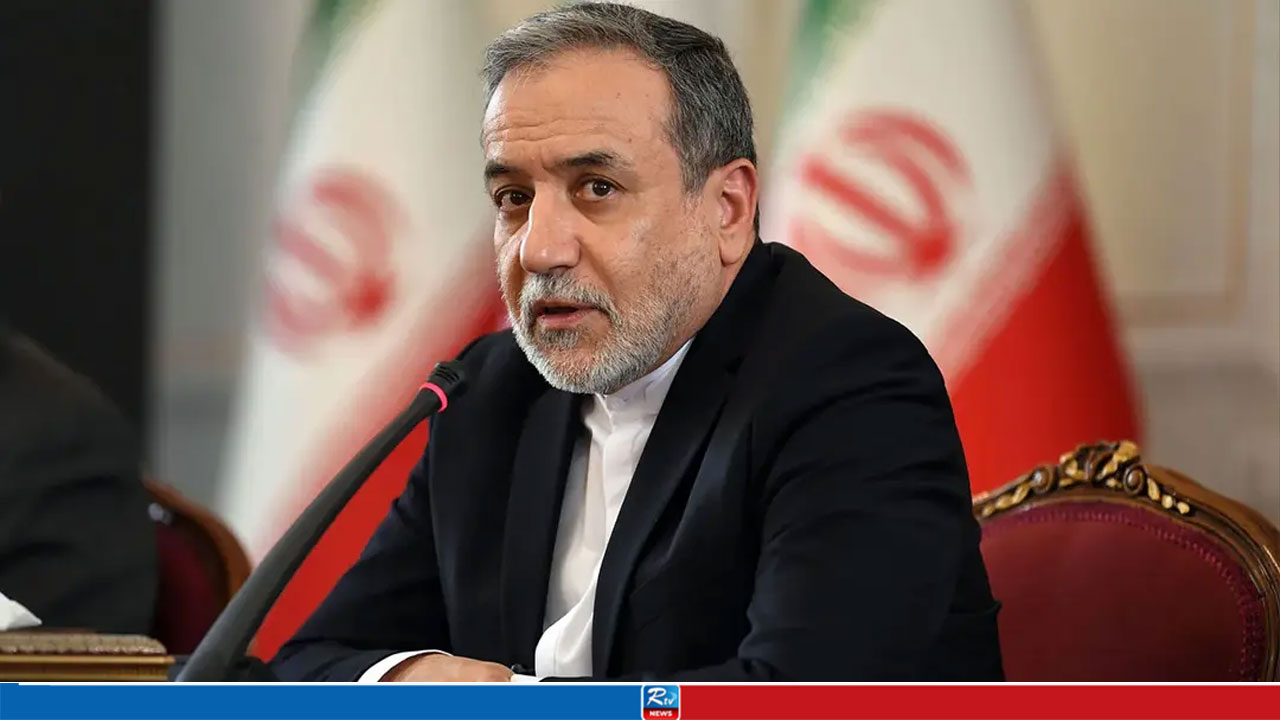
Meanwhile, threatening a blockade across the Gulf in retaliation for economic sanctions, Mohsen Rezaee, Secretary of Iran's Supreme National Security Council, stated that Tehran is preparing to enforce a "no-navigation zone" across the entire Persian Gulf, potentially resulting in a total blockade of the Strait of Hormuz.
In a post on the social media platform X, Rezaee described Iran's recent missile launches as a "clear warning" to Washington.
"Economic warfare will be met with the creation of a navigation-exclusion zone across the Persian Gulf, extending to the borders of a blockade," he wrote.
Rezaee further added that Iran's military preparedness posture against US warships and bases has undergone a fundamental transformation.







 Live TV
 RTV Plus