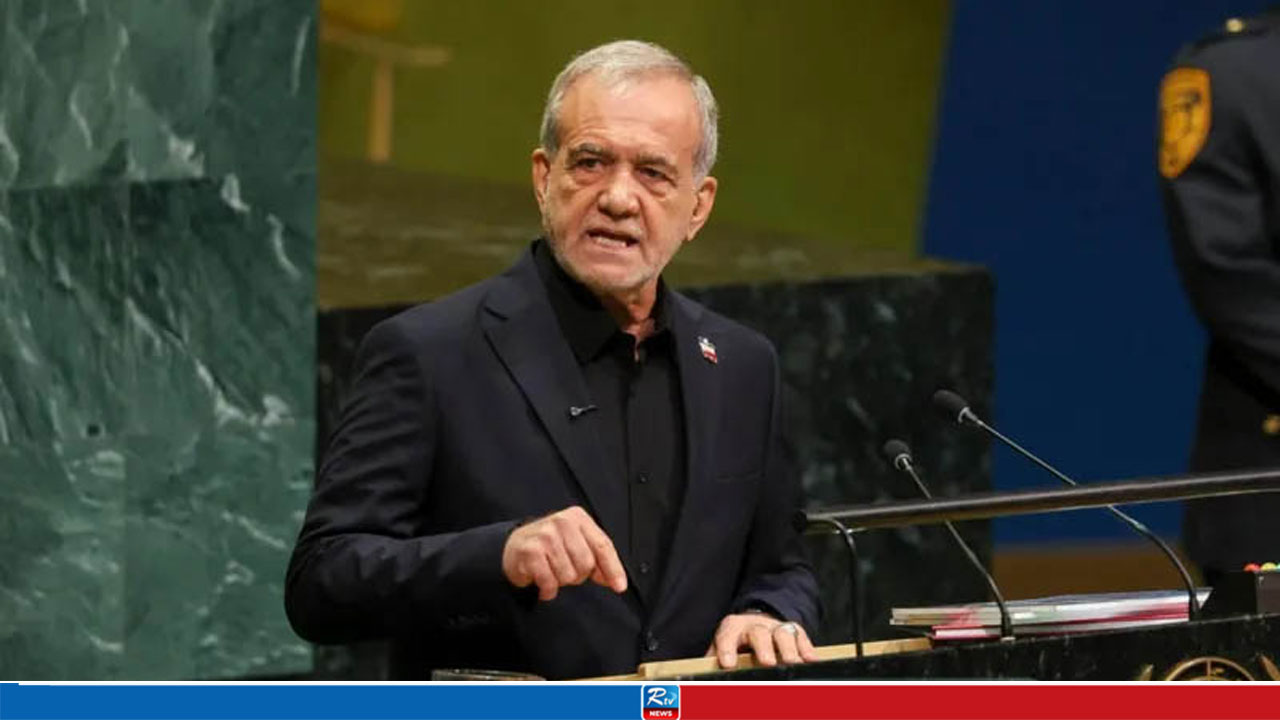
Iranian President Masoud Pezeshkian has delivered a sharp response to US President Donald Trump’s threat to "destroy Iran," declaring at the United Nations General Assembly that the Iranian people's resistance will only grow in the face of sanctions, increased pressure, and bullying, and that Iran will never bow down.
At the same time, Pezeshkian stated that Tehran remains ready to resolve the conflict through diplomacy and dialogue, which must include the lifting of US blockades in the Strait of Hormuz.
According to the BBC, Pezeshkian made these remarks during his UNGA address in response to President Trump's ultimatum warning of the rapid destruction of Iran if a deal is not reached.
Pezeshkian asserted that any agreement must include halting the US blockade preventing Iranian ships from using the crucial Persian Gulf waterway.
"Everyone benefits from the Strait of Hormuz, yet we are denied access to it—that cannot be allowed," Pezeshkian said.
There was no immediate comment from the US side. However, the US delegation walked out of the assembly hall just as Pezeshkian began his speech.
"The US President has described us as terrorists, yet we are the victims of terrorism," the Iranian President told the UN session in New York.
Holding Up Evidence of Casualties
During his speech, Pezeshkian held up a photograph of Iran’s late Supreme Leader Ayatollah Ali Khamenei, who was killed at his residence in late February during joint US-Israeli airstrikes.
He also displayed photos of some of the victims killed in missile strikes on an elementary school in Minab and a sports complex in Lamard.
Iran maintains that more than 175 civilians, two-thirds of them children, were killed in those two attacks.
While the US has denied carrying out the strike in Lamard, it stated that the incident in Minab is still under investigation.
"Our innocent people have been targeted by cowardly attacks and aggression, and we have defended ourselves with all our might," Pezeshkian said.
Context of the Escalation
In February, following massive US and Israeli airstrikes, Iran launched deadly missile and drone attacks on Israel and neighboring Gulf Arab nations hosting US military bases.
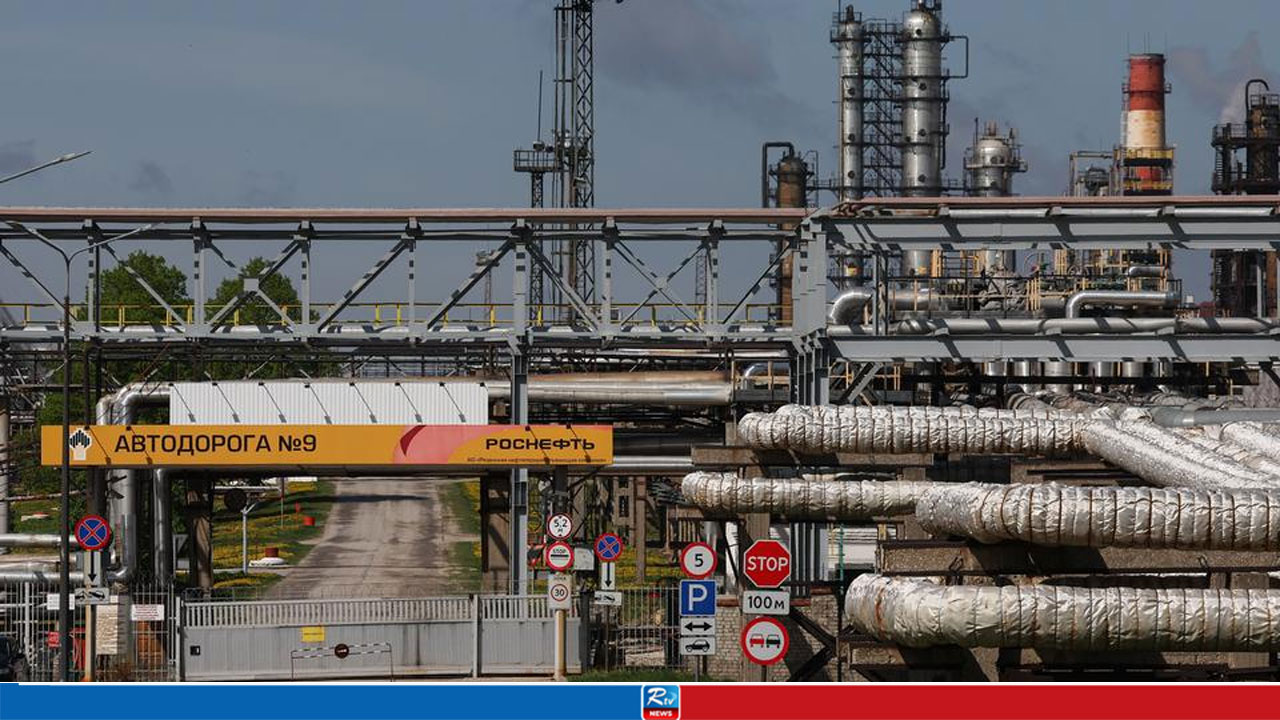
Tehran subsequently attacked commercial vessels in the Gulf, the Sea of Oman, and the Arabian Sea, effectively closing the Strait of Hormuz—a vital maritime chokepoint through which roughly one-fifth of the world's oil and gas passes.
In response, the US imposed blockades on Iranian ports and shipping in April.
A preliminary understanding was reached between the US and Iran in June to halt hostilities and reopen the Strait of Hormuz.
However, the agreement collapsed within weeks after Iran resumed ship attacks, prompting the US to reinstate the blockade. Iran aims to maintain control over the Strait and collect fees from ships utilizing the route, a proposal the US has rejected.
Rejection of Threats and Openness to Diplomacy
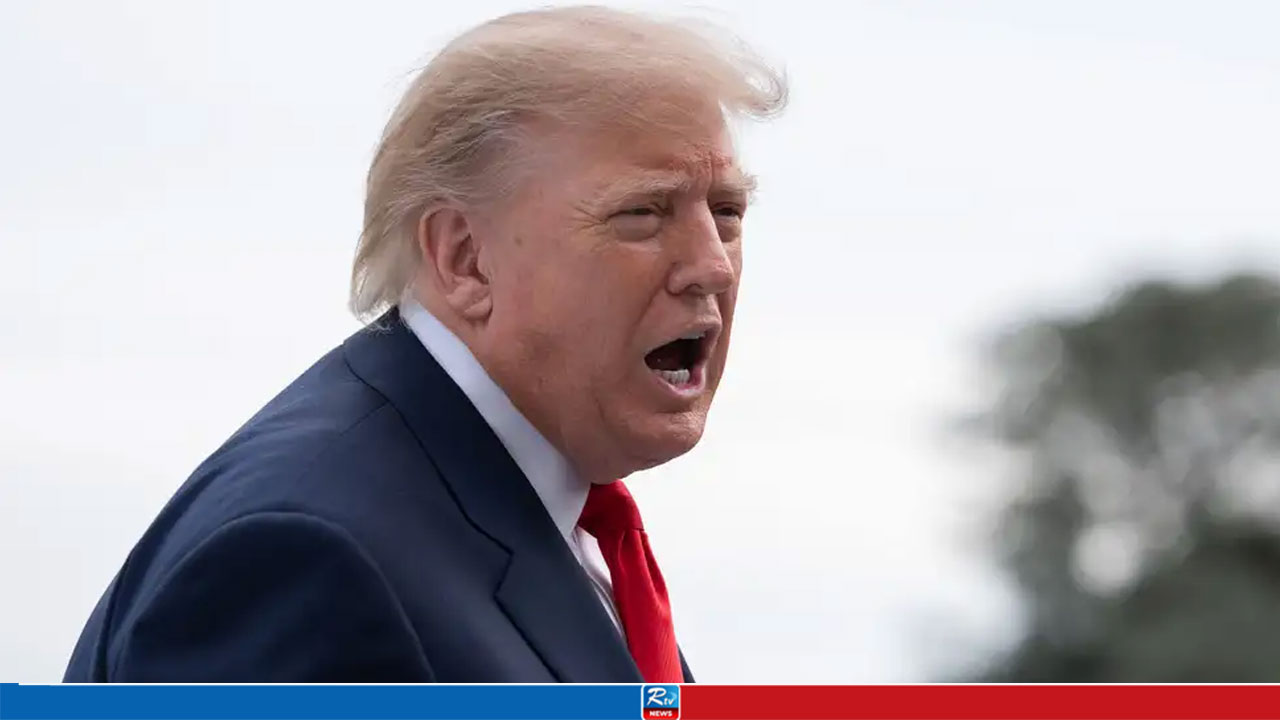
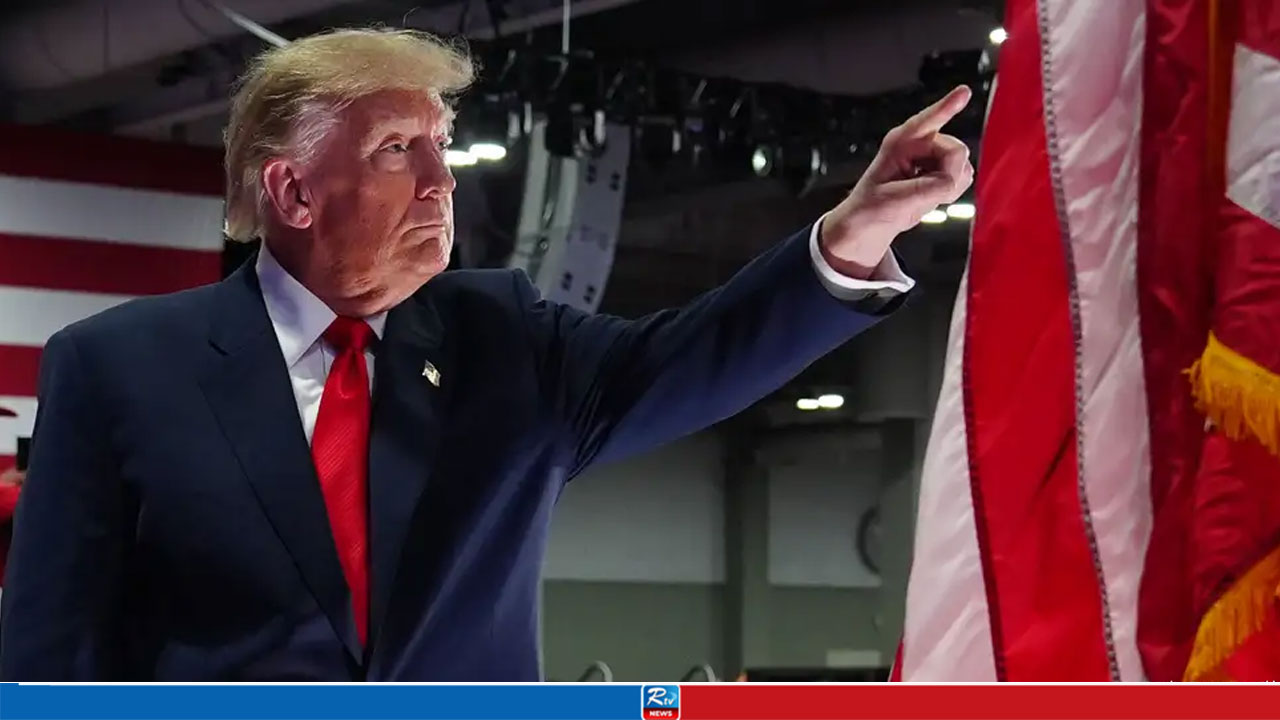
In his UNGA address on Tuesday, President Trump stated that he faces a "major decision"—either reach a deal that allows Iranians to rebuild their country or face the "rapid destruction" of the Islamic Republic.
Dismissing Trump's threats as an "expression of a bullying mentality," Pezeshkian fired back:
"He must know that in the face of sanctions, heightened pressure, and bullying, the resistance of the Iranian people will only increase. We will never bow down or surrender."
However, he reiterated that Iran is open to dialogue and diplomacy rather than the language of force. He also underscored that Iran will not abandon its right to a peaceful nuclear program, while reaffirming that it has no intention of building nuclear weapons.



 Live TV
 RTV Plus