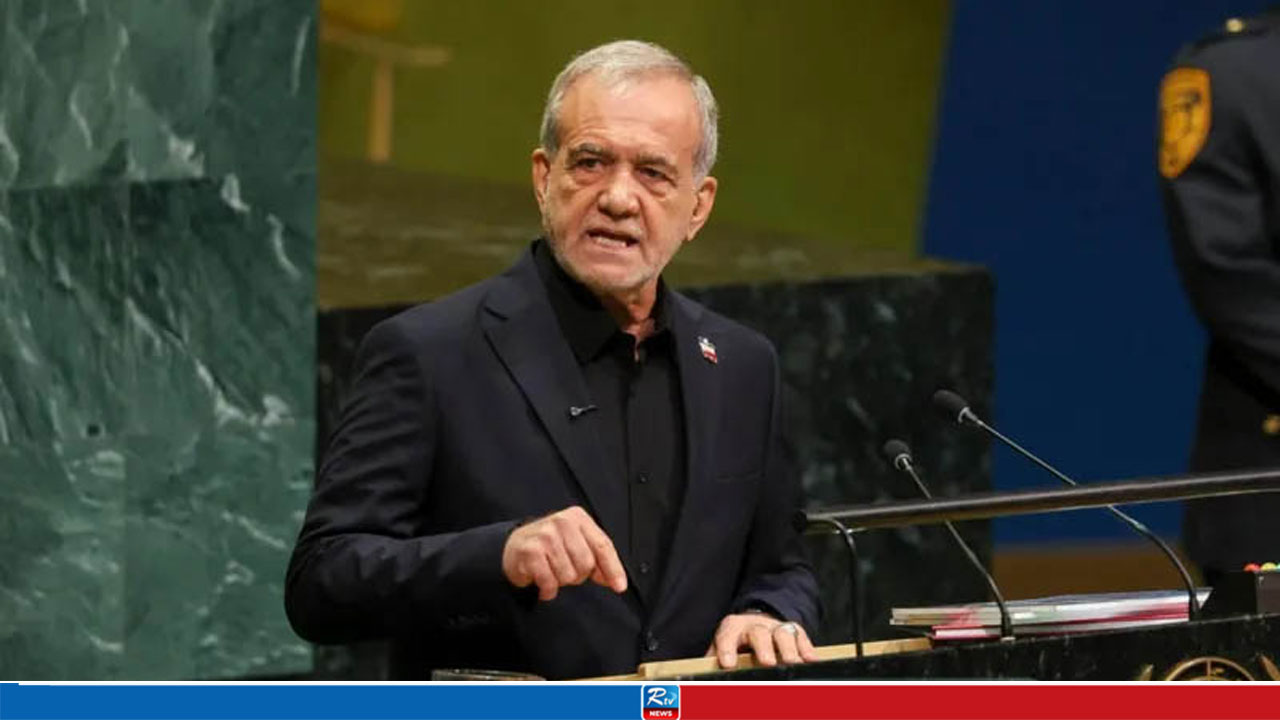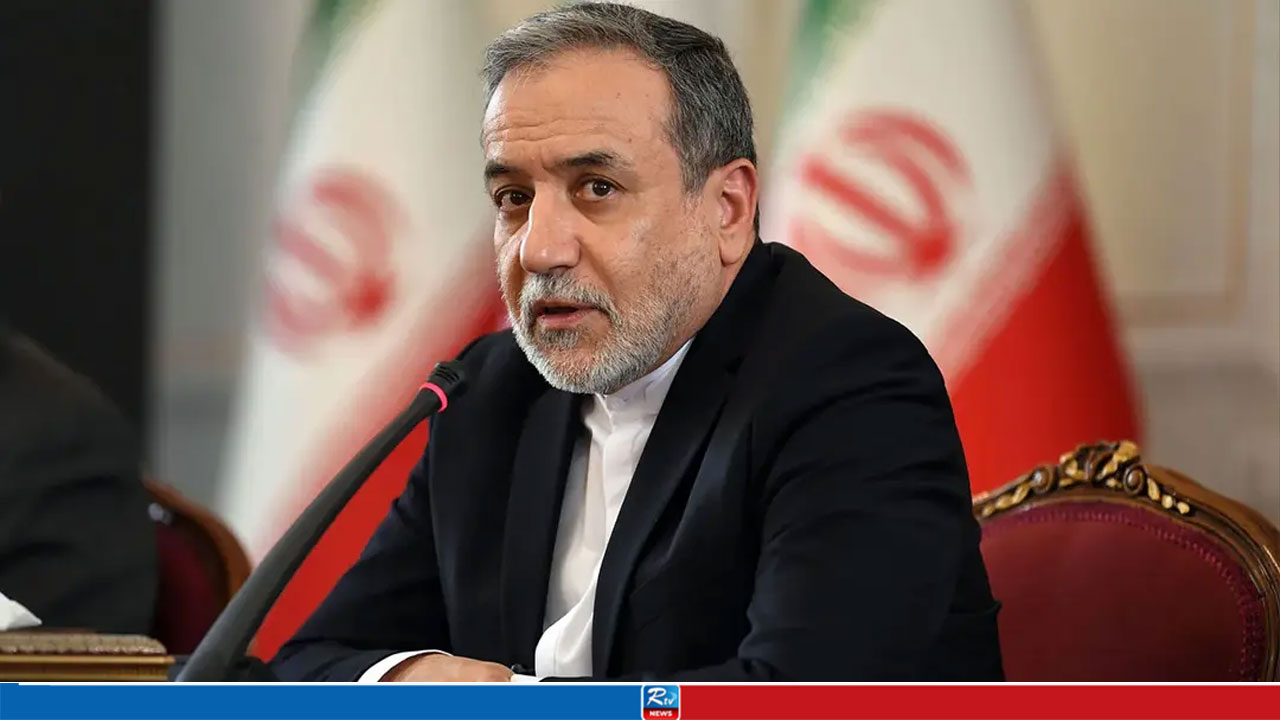
Iranian Foreign Minister Abbas Araghchi has announced that Tehran has presented a proposal to the United States for an agreement that, once signed, would lead to the reopening of the vital Strait of Hormuz within seven days.
Speaking to journalists in New York on Friday (September 25), Araghchi stated that the agreement is achievable "if the necessary conditions are met." He noted that the provisions outlined in the new proposal are anchored in the Islamabad Memorandum of Understanding (MoU) reached in June.
According to Reuters, when asked about Iran's proposal, a U.S. official responded that positive discussions are underway through mediating countries, which also encompass nuclear issues.
On February 28, occupying Israel and the United States launched joint airstrikes on Iran. In response, Iran carried out massive retaliatory attacks targeting Israel and U.S. infrastructure across the Middle East, while simultaneously closing the Strait of Hormuz.
Prior to the outbreak of the conflict, a total of 20 percent of the world's demand for crude oil and liquefied natural gas passed through the Hormuz Strait. Iran's closure of the strategic waterway triggered a global energy turmoil.
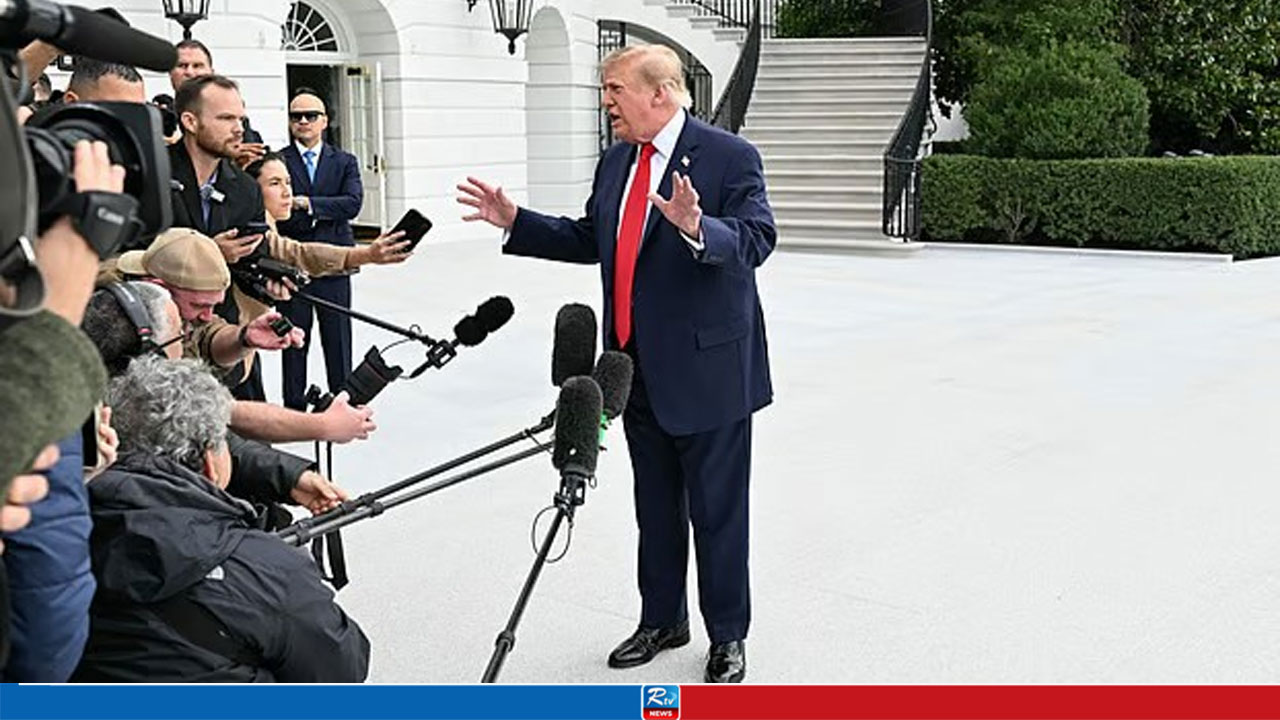
With the U.S. midterm elections scheduled for this November, soaring energy prices and the volatile global situation have intensified pressure on U.S. President Donald Trump to find a way to end the conflict.
Addressing reporters regarding the new proposal, Araghchi said, "If the required conditions are fulfilled, the Strait of Hormuz can be reopened, and normal shipping operations can resume within seven days. What the U.S. does with this proposal is now up to them."
While he did not explicitly detail the specific conditions the U.S. must accept, he maintained, "The conditions presented to the Americans are already contained within the Islamabad Memorandum of Understanding. There is nothing new."
The 14-point MoU, signed on June 18, stipulated that Iran would never acquire nuclear weapons, and that Iran, the United States, and their allies would cease hostilities on all fronts.
It also called for the lifting of the U.S. naval blockade and the relaxation of sanctions imposed on Iran, in exchange for Iran guaranteeing safe passage for shipping through Hormuz and engaging in future discussions with Oman regarding navigation management in the strait.
However, the agreement collapsed within days after both nations resumed reciprocal attacks and counter-attacks.
Following the breakdown of the pact, Iran attacked vessels transiting the Hormuz Strait, stating that the targeted ships were using unauthorized routes.
In retaliation, the U.S. military launched strikes on various Iranian positions near Hormuz and imposed a strict naval blockade, severely crippling the Iranian economy.
Source: BBC







 Live TV
 RTV Plus