Dhaka 30 September, 2026

Hello Kitty at 50: The Mouthless Face That Launched an $80 Billion Empire

Rtv News

Publish : 04 Nov 2024, 07:42 PM
Photo: AP/Hiro Komae

Friday marks half a century since Japanese merchandising company Sanrio created the first iteration of Kitty White, or Hello Kitty, a cheerful feline girl (not, as her creator controversially revealed in 2014, a cat) who lives with her family in London's suburbs. In the decades since debuting, she has become a UNICEF ambassador, a special envoy for Japan's Foreign Ministry, and the subject of themed restaurants, cafes, two amusement parks, and even a maternity hospital. CNN News.

As such, Hello Kitty is also a commercial behemoth that has earned her creator an estimated $80 billion, placing her alongside Pokemon, Mickey Mouse, and Winnie-the-Pooh as history's top-grossing franchises. Unlike others on the list, however, the merchandise wasn't a profitable extension of Hello Kitty's on-screen popularity — it was her raison d’être from the start.

Designed to adorn children's items and stationery, she was first drawn by Yuko Shimizu, one of Sanrio's in-house illustrators, in 1974. The company wanted designs embodying "kawaii," a Japanese term for cuteness, and the 24-year-old's cat-like creation was inspired by a kitten her father had given her as a gift. Hello Kitty made her commercial debut the next year, appearing on a line of vinyl coin purses alongside several other new characters.

She proved, by far, to be the company's most popular new design. Sanrio’s sales soared almost immediately as her image was pasted onto toys, stickers, and much else. But if the character's early success can be attributed to Shimizu’s simple, memorable design — comprising a mouthless face, oval yellow nose, whiskers, and a bow — her status as a pop culture icon is thanks to illustrator Yuko Yamaguchi.

Considered Hello Kitty's third designer (Shimizu left Sanrio three years after inventing the character and was replaced by Setsuko Yonekubo, who briefly oversaw the design in the late 1970s) Yamaguchi has steered the character's visual identity for almost 45 years. Speaking to CNN at Sanrio's Tokyo headquarters, she recalled joining the company at a time when Hello Kitty products were declining in popularity.

In 1979, Sanrio decided to revitalize the brand, and Yamaguchi was one of several illustrators tasked with creating and presenting new imagery. Aware that Hello Kitty was an aspiring musician, she drew a scene envisaging the character surrounded by her family after receiving her first grand piano.

"Even though Hello Kitty says she wants to be a pianist, she has never been depicted playing the piano," she said, adding: "I was asked to be the designer of Hello Kitty on the spot."

Yamaguchi started meeting with Hello Kitty's fans, past and present, to understand why sales were down. She also made a formative year-long visit to San Francisco in 1984, amid a booming US interest in teddy bears. After returning to Japan, Yamaguchi began creating new drawings and a cast of friends for Hello Kitty — including the teddy bear, Tiny Chum.

"I wanted Hello Kitty to become more energetic," she said. "And since she was the face of Sanrio, and was born as a symbol of friendship, I wanted to make lots of friends for her."

Subtle evolution
While Hello Kitty's key features remained largely unchanged, Yamaguchi (who previously told Time magazine that the character doesn’t have a mouth "so that people who look at her can project their feelings onto her face") placed her in different scenarios, broadening her appeal.

"She's good at sports, and she looks cute and chic too," she explained. "I think of her as a blank canvas that you can transform into all sorts of things. There's not much that doesn't suit her… I think that when everyone talks to Hello Kitty, she probably answers them in some way."

Sales of Hello Kitty products flourished in Japan between the 1980s and mid-1990s. Much of the company's earlier merchandise was aimed at young girls, including school supplies and personal care items like toothbrushes. But, even then, illustrator Yamaguchi knew the character would need to evolve and grow with her fans.

It's a realization the illustrator traces back to a letter she received from a fan in 1987: "She was a big fan of Hello Kitty but, in the letter, she wrote that her friends and parents had told her that it is a child's character and that she should have outgrown it. But she didn't want to, so she asked me to make products for high school students like her."

Inspired by the trends she saw in Tokyo's Harajuku fashion district at the time, Yamaguchi began incorporating contemporary style into her designs, in the hope of appealing to older fans. In 1999, Sanrio told the New York Times that the character was appearing on 12,000 new product lines a year, spanning almost every category imaginable, from clothing to board games, greeting cards to lunch boxes. The company also began using Hello Kitty on more adult items, like electronics and kitchen appliances, as it became clear that nostalgia was becoming a major selling point.

As a result, some of today's biggest Hello Kitty fans are those who grew up with her in the 1980s and '90s. Among them is Asako Kanda, who started collecting Sanrio products in third grade and now owns over 10,000 items adorned with the character's expressionless face.

"My mother gave me Hello Kitty stationery and school supplies like pencil cases and plastic boards. When I saw them, I thought they were so cute, and they quickly became my favorite. That's where it started," she said, showing CNN around a dedicated Hello Kitty room in her Tokyo home. "Once I began buying things for myself, I could get items for the kitchen, bathroom, and other daily necessities. I wanted to unify everything with Hello Kitty from that point on."

After more than 36 years of collecting, Kanda still buys around two Hello Kitty items every month. Sanrio releases new products every week, and she scans them looking for anything that is "memorable or cute."

"As life goes on, there are times when you face unpleasant or sad experiences," she said, "During those times, looking at Hello Kitty goods has brought me comfort and solace."

Going global
As Japan's economy stagnated in the 1990s, Sanrio expanded its international presence. In Hello Kitty's early years, the company had sold products door-to-door in the US, before setting up the first overseas branch of its retail store, Gift Gate, in San Jose in 1976. But following an explosion of Western interest in Japanese culture — from "Dragon Ball Z" to Tamagotchis and Beyblade — she captured the imagination of American consumers around the turn of the millennium, according to Atsuo Nakayama, a Japanese sociologist specializing in the entertainment industry.

"Just after 9/11, the world was changing," he told CNN. "And I think that the Japanese 'kawaii' culture was an alternative fit for America, somehow."

Much of Hello Kitty's commercial success has been achieved through licensing. She has spawned books, video games, and animated TV series, like the long-running "Hello Kitty and Friends," which helped further develop her character. (Although, despite being raised in London, she was given a North American accent in English dubbed versions.) She has also been part of deals with major consumer and luxury brands and has appeared on an EVA Air plane, Fender Stratocaster guitars, and Swarovski jewelry.

And while Sanrio's declining fortunes at the turn of the 2010s sparked fears that Hello Kitty’s cultural relevance was fading, the company's share price has rocketed in the last two years. It now stands over 10 times its Covid-era low. According to Atsuo, nostalgia is once again a key driving force — at home in Japan, and abroad.

"Hello Kitty is on the rise again in America, and I think that this is because the first generation has now become parents and passed (their interests) on to their children," Atsuo said, adding: "(Her popularity) has risen and fallen many times like this, and it creates a regular opportunity for people who were captivated by Hello Kitty to remember it and want to collect it again."

Sanrio's recent successes are also, in part, due to its diversifying away from Hello Kitty. The character now only accounts for around 30% of Sanrio's gross profit in product sales and licensing, down from 76% a decade earlier, according to the Wall Street Journal. Recent creations like Gudetama (a lazy egg yolk) and Aggressive Retsuko (an introverted death-metal-loving red panda) have both featured in their own Netflix series.

Yet, even as Sanrio's business model changes, Yamaguchi believes Hello Kitty will endure.

"Of course, there are many characters in the world that have been around longer than Hello Kitty," the illustrator said, adding: "I hope she continues working hard so she can celebrate her 100th anniversary in 50 years."

Follow google news channel to get RTV news Google News
10 Morning Habits Parents Should Follow to Set a Good Example for Kids
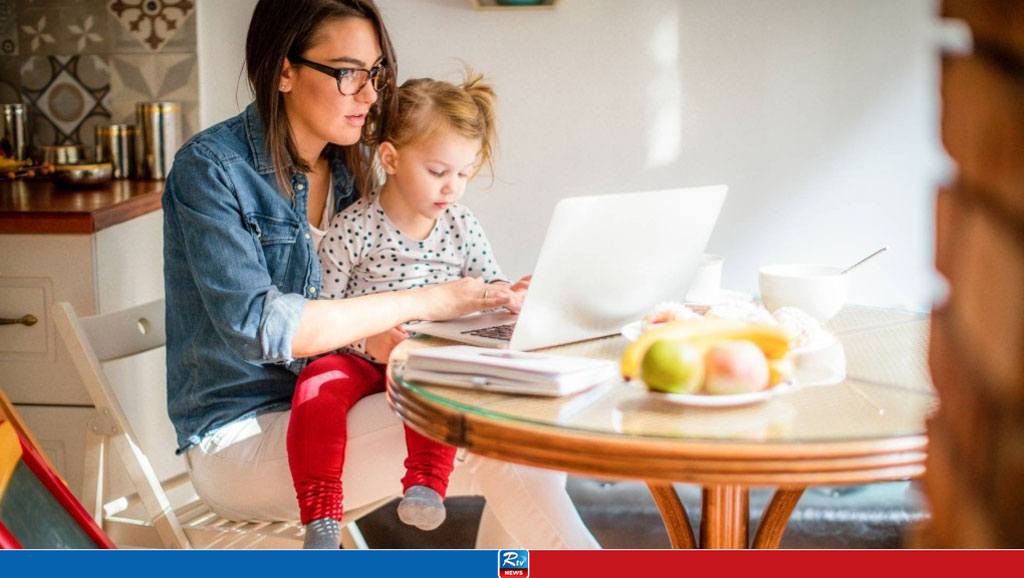
A healthy morning routine sets the tone for the entire day, and for parents, it's an opportunity to lead by example. Kids often mimic their parent's behaviour, making the morning hours a perfect time to instil positive habits. Here are 10-morning habits every parent should adopt to inspire their children: 1. Wake Up Early Starting the day early gives parents time to prepare and approach the morning calmly. This teaches kids the value of being proactive and organized. 2. Make the Bed A small yet impactful habit, making the bed demonstrates discipline and creates a sense of accomplishment right at the start. 3. Practice Gratitude Taking a moment to reflect on what you’re grateful for sets a positive tone for the day. Share this practice with kids to cultivate a grateful mindset. 4. Eat a Healthy Breakfast Together Breakfast is the most important meal of the day. Preparing and enjoying a nutritious breakfast together teaches kids the importance of balanced nutrition. 5. Avoid Screen Time Model mindful habits by limiting phone or TV use in the morning. Encourage conversation, reading, or other productive activities. 6. Exercise or Stretch Incorporate light exercises or stretches into your morning routine. Active parents inspire kids to stay physically fit and understand the importance of movement. 7. Plan the Day Share your daily schedule with your kids and encourage them to do the same. This habit fosters time management and organizational skills. 8. Practice Self-Care Show your children that taking time for personal hygiene and grooming is essential for self-respect and confidence. 9. Maintain a Positive Attitude Even on busy mornings, staying calm and cheerful helps create a stress-free environment that kids will learn to emulate. 10. Read or Learn Something New Spend a few minutes reading or engaging in a learning activity. When kids see their parents valuing knowledge, they’re likely to develop a similar mindset.
10 Morning Habits Parents Should Follow to Set a Good Example for Kids
Merry Christmas / History, Traditions, Significance and Celebrations
Christmas, celebrated annually on December 25, is one of the most beloved holidays worldwide. It marks the birth of Jesus Christ, a central figure in Christianity, and is a time of joy, love, and togetherness. From its historical roots to modern-day traditions, Christmas has evolved into a universal celebration that transcends religious boundaries. Why December 25 The choice of December 25 to celebrate the birth of Jesus has both religious and historical significance. Although the Bible does not specify the exact date of Christ's birth, early Christians chose this date to align with existing pagan festivals like Saturnalia and Sol Invictus. These celebrations honoured the winter solstice, symbolising the return of light and hope—an apt metaphor for the birth of Christ. In 336 AD, the Roman Emperor Constantine officially recognised December 25 as Christmas Day, cementing its place in the Christian calendar. History The history of Christmas dates back to early Christianity, celebrating the birth of Jesus Christ on December 25. This date was chosen to align with existing pagan festivals like Saturnalia and Yule, marking the winter solstice. Over time, traditions such as gift-giving, feasts, and decorating trees merged with Christian beliefs. The holiday gained prominence in the Middle Ages and evolved further in modern times, influenced by figures like Saint Nicholas, who inspired Santa Claus. Today, Christmas is celebrated globally, blending religious observances with cultural festivities. Traditions Decorating the Christmas Tree: A symbol of life and hope, this tradition traces back to Germany Exchanging Gifts: Reflecting the spirit of giving and inspired by the Magi Santa Claus: Based on St. Nicholas, a 4th-century saint known for his generosity Feasting: Families gather to share festive meals, from roast dinners to sweet treats Religious Services: Christians attend Midnight Mass or other church services to honour the Nativity   Significance of Christmas Christmas holds deep significance as it commemorates the birth of Jesus Christ, a central figure in Christianity. The festival symbolises faith, love, and hope, inspiring acts of kindness and generosity. It also emphasises unity, bringing families and communities together through traditions like sharing meals, exchanging gifts, and attending religious services. Beyond its religious importance, Christmas has become a global cultural phenomenon, promoting universal themes of peace and goodwill. The holiday's traditions and values continue to resonate across diverse cultures and beliefs. Celebrations Christmas celebrated annually on December 25th, marks the birth of Jesus Christ and has become a cherished cultural and religious holiday worldwide. In 2024, the festivities fall on Wednesday, bringing families and communities together to revel in the spirit of generosity, kindness and togetherness. Modern Day Christmas Today, Christmas has grown into a global celebration that transcends religious boundaries. From dazzling lights and festive markets to charitable acts and family gatherings, the holiday continues to inspire joy and goodwill. Christmas on December 25 holds deep historical, cultural, and spiritual significance. Whether you celebrate for religious reasons or simply embrace the festive spirit, the holiday is a timeless reminder of the power of love, hope, and togetherness. As the season of joy and love unfolds, Christmas 2024 promises a heartwarming celebration, uniting faith, culture, and the enduring message of hope and peace.
History, Traditions, Significance and Celebrations
"Don't Make Your Bed" Day Today
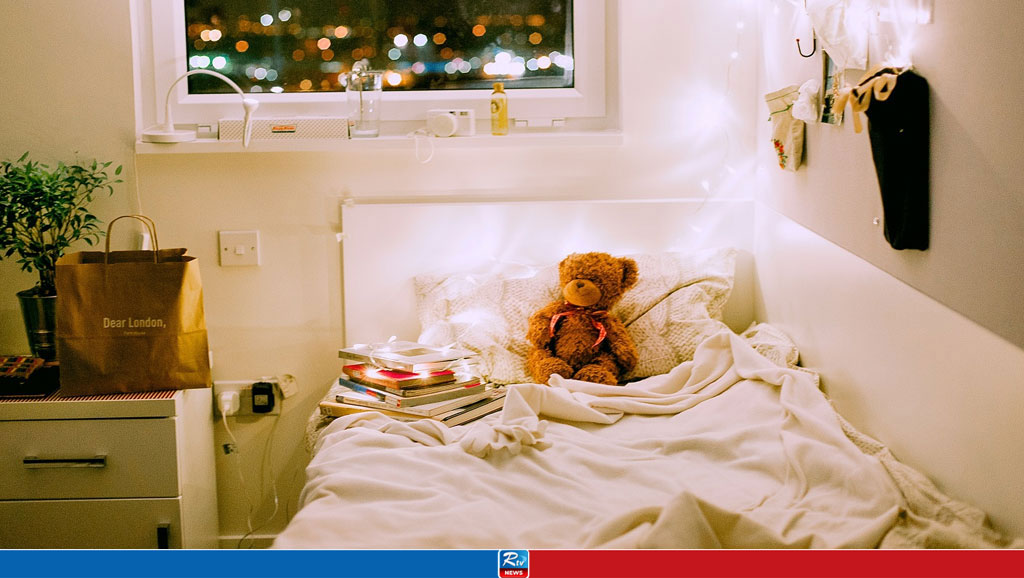
Who doesn't like a tidy room? After a busy day, it feels uncomfortable to return to a messy home. Waking up in a disorganized room in the morning can ruin your mood. So, it's important to keep your home organized. However, some people just don't feel like getting out of bed. Even after waking up, they stay in bed for a long time. They have no interest in organizing the bed. According to some, organizing the bed in the morning has a positive effect on the mind. On the other hand, some people just don't feel like getting out of bed. Even after waking up, they stay in bed for half an hour, having no desire to make the bed organized. What's the point of tidying up the bed? After all, they'll be sleeping in the same bed again at night. Today has been declared as the day to not make your bed, thinking of such people. You'll be surprised to know that this day was initiated by a fifth-grade student. A student named Shannon Barba wrote a letter directly to the US Congress with her request. In the letter, Shannon wrote, "Sometimes, I feel tired of making my bed. It would be nice if there was a day when no one had to worry about making their bed. I would be grateful if you could pass a bill regarding this." Lawmakers could not refuse this child's request.  
Experts Recommendation to Avoid Breathing Problems in Winter
Seasonal changes can cause various health problems for both children and adults. Cough, fever, and colds are common in households during this time. Winter also brings respiratory issues. According to experts, the cold air during winter is a significant factor behind these problems. Experts explain that during seasonal transitions, especially the onset of winter, many individuals face specific challenges. The air in winter is very dry and cold, which can strain the body. They note that our airways have a thin protective lining, which the cold air dries out. When cold air hits the respiratory tract, it increases mucus production and causes the airways to swell. This condition exacerbates problems for patients with COPD, asthma, and young children. COPD patients experience heightened difficulties during winter. Experts advise avoiding exposure to cold winds during winter. Cover your ears, throat, and nose before stepping outdoors. If necessary, use a scarf to cover your nose. When the cold, dry air passes through the scarf before reaching the nose, it reduces the intensity of coldness, alleviating throat irritation
Experts Recommendation to Avoid Breathing Problems in Winter
Old Dhaka Tehari Recipe
Tehari is a delicious dish loved by many. This flavorful combination of meat and rice is very popular across Bangladesh. While Tehari can be prepared in various ways, Old Dhaka's Tehari has a unique charm. Its distinctive taste comes from the use of special spices and cooking techniques. Known for its royal flavors, Old Dhaka's dishes hold a special place in culinary traditions. Among these, Tehari is a standout dish. Small pieces of meat are cooked with aromatic rice to create this delicacy. Here's the recipe to make this delicious Tehari at home. Ingredients For the meat: Small pieces of meat (beef or mutton): 2 kg Black pepper powder: 2 tsp (to taste) Cardamom: 8-10 pods Cinnamon: 4 sticks Nutmeg powder: 1 tsp Mace powder: 1 tsp Mustard oil: 1 cup Chopped onion: 1.5 cups Ginger paste: 2 tbsp Garlic paste: 3 tbsp Sour yogurt: 1 cup Green chilies: 10-15 Whole cumin: 1 tsp (optional)   For the rice: Polao rice: 1 kg Milk: 4 cups Water: 4.5 cups Bay leaves: 4-5 Cinnamon: 2 sticks Black pepper: 5-6 Salt: to taste Method Preparing the meat: Mix sour yogurt, ginger paste, garlic paste, black pepper powder, salt, nutmeg powder, and mace powder with the meat. Marinate for 1 hour. Heat mustard oil in a pot, add whole cumin, cardamom, and cinnamon for tempering. Saute until the onions turn golden brown, then add the marinated meat. Cook for a while and then lower the heat, covering the pot with a lid. Add a little water if necessary. Once the meat is tender and releases oil, remove it from the heat and keep covered. Cooking the rice: Wash the rice and drain the water. In a pot, bring water, milk, cinnamon, bay leaves, black pepper, and salt to a boil. Once the water starts boiling, add the rice and cook on medium heat. When the rice is almost done, mix in the cooked meat thoroughly. Place the pot on a tawa (flat pan) for slow cooking. Add green chilies, cover, and let it steam for 5-10 minutes. That's it—Old Dhaka-style Tehari is ready to serve!
Old Dhaka Tehari Recipe
Read More
Japan FM Visits China, Seeking 'Positive Direction' For Ties
Japan to Continue Support to Bangladesh's Reform
Japan's Deputy Chief of Mission Visits Rohingya Refugee Facilities on Bhasan Char
Japan Election: Polls Open with Ruling LDP Facing Tight Race