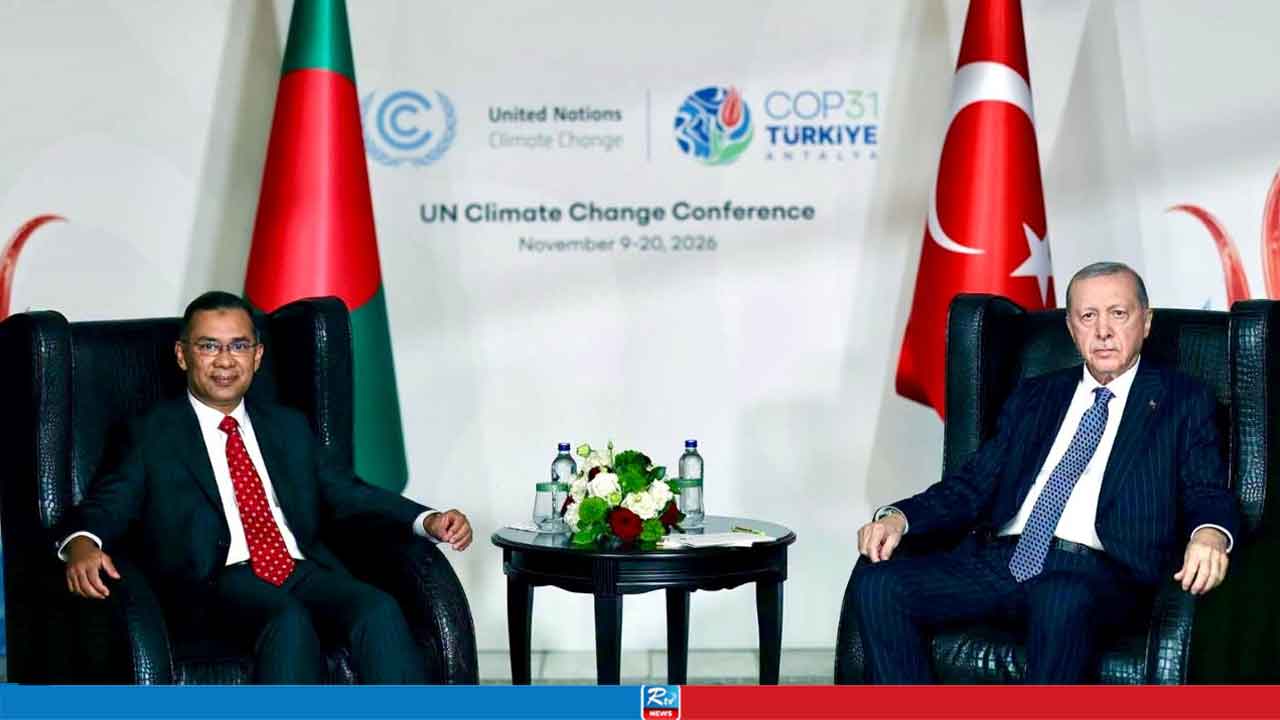
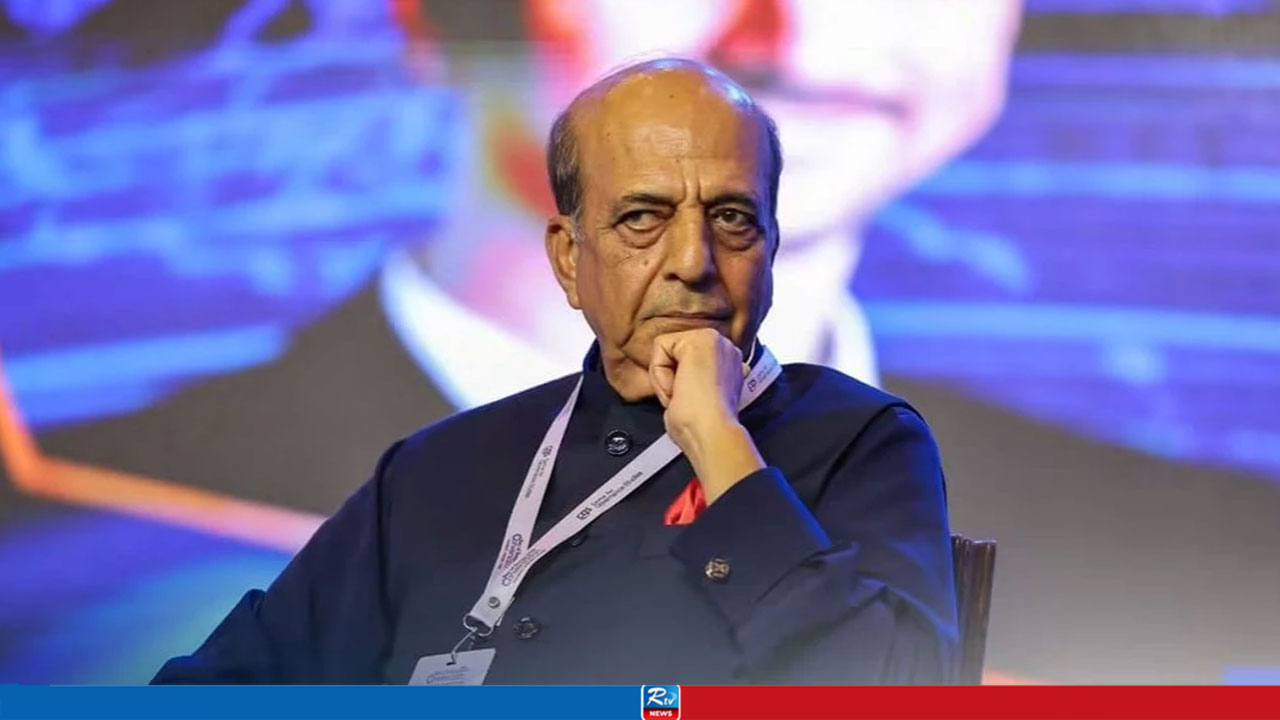
Ousted former Prime Minister Sheikh Hasina, 77, is planning to return home in December. Bangladesh on Monday rejected her application for a new passport.
The plan for Sheikh Hasina's return to Bangladesh has generated widespread tension, prompting British news agency Reuters to publish an analytical report on Tuesday.
Why Did Sheikh Hasina Flee?
Sheikh Hasina fled to India in August 2024 following a student-led uprising. During her long rule, her administration faced widespread allegations of suppressing dissent and dismantling democratic checks and balances, though she denied the charges.
During that period, many opposition leaders resided abroad, and the opposition frequently boycotted elections.
In November last year, a court in Bangladesh sentenced Sheikh Hasina to death for ordering lethal crackdowns on protesters in 2024. According to the United Nations, law enforcement operations during the movement resulted in approximately 1,400 deaths.
Following the fall of Sheikh Hasina's government, a ban was imposed that prevented her party, the Bangladesh Awami League, from participating in the latest general election held in February this year. The Bangladesh Nationalist Party (BNP) came to power with a sweeping majority.
Tarique Rahman, son of Hasina's primary political rival Khaleda Zia, now serves as Prime Minister. During Hasina's tenure in power, Tarique Rahman himself resided in London.
Why Does Hasina Need New Travel Documents?
Months after Hasina fled, the then-interim government revoked her passport and national identity card. On Monday, her lawyers submitted an application for new documents at the Bangladesh Embassy in New Delhi, India.
In an emailed letter, the request urged the "expeditious" issuance of the documents, citing Sheikh Hasina’s Bangladeshi citizenship and obligations under international human rights charters.
The Bangladesh government has stated that it does not issue passports to terrorists and has called on New Delhi to extradite her under the existing extradition treaty between the two countries.
Minister of State for Foreign Affairs Humayun Kabir remarked, "Shall we treat her like an ordinary commercial traveler and say, 'Come visit your in-laws' place'?"
Reuters reported that India's Ministry of External Affairs did not respond to requests for comment on the matter. However, last April, New Delhi stated that it was examining Bangladesh's extradition request with a view to engaging constructively with the new government and strengthening bilateral relations.
Political analysts note that the Bangladesh government wishes to avoid turning Hasina’s return into a political spectacle that could galvanize her supporters.
What Could Happen Next?
The Awami League has stated that Hasina will return home in December, whether she holds travel documents or not.
However, neither she nor her party clarified how she would return without the required documentation, given that many people cross the long and partially hazardous border illegally on a daily basis.
Political aides to the former prime minister indicated that Hasina will share details of her plan soon.
In a telephone interview with Reuters last July, Sheikh Hasina stated that authorities might arrest or kill her upon her return to Bangladesh. She expressed a desire to return voluntarily and surrender.
"If death comes, I want to die on my own soil, where my parents lie and where their blood was shed."
She added that despite the risks, it was crucial to stand alongside party workers facing adverse conditions in Bangladesh in the absence of leadership.
Risks of Political Tension
As the world's second-largest garment exporter, Bangladesh is working to recover from the political and economic instability surrounding Hasina's fall.
Although this year's elections brought relative political stability, heightened tensions remain. Under these conditions, conflict in the Middle East has driven up living costs and triggered acute crises in fuel and power supply.
In this Muslim-majority country of 175 million people, Hasina remains a deeply polarizing figure. While her return could mobilize her supporters, it presents the government with the complex challenge of managing an ousted prime minister under a death sentence.
Any large-scale gathering of her supporters carries the risk of triggering fresh unrest and violence.




 Live TV
 RTV Plus