Bangladesh Nationalist Party (BNP) Standing Committee member Salahuddin Ahmed on Sunday condemned the recent arson attacks on two major newspapers -- The Daily Star and Prothom Alo -- as a national disgrace, questioning the government's failure to prevent the incidents.
Speaking at a meeting with editors and senior journalists ahead of BNP Acting Chairman Tarique Rahman’s return, Ahmed noted that the world witnessed the targeted burning of The Daily Star and Prothom Alo.
He asserted that such attacks cannot be resolved through mere apologies or expressions of regret, calling the events a "matter of shame" for the entire country.
“The unfortunate incidents that occurred a few days ago, where several leading newspapers in Bangladesh — including The Daily Star and Prothom Alo — were burned and set on fire, have been witnessed by the whole world,” he said.
“As a nation, this is a matter of shame for us. We cannot simply end it with an apology and an expression of regret," he further added.
He emphasized that the media serves as the nation’s conscience, shaping public opinion and holding those in power accountable.
"That mirror has now been shattered," he remarked, asserting that journalists must never be stripped of their essential role as a reflection of society.
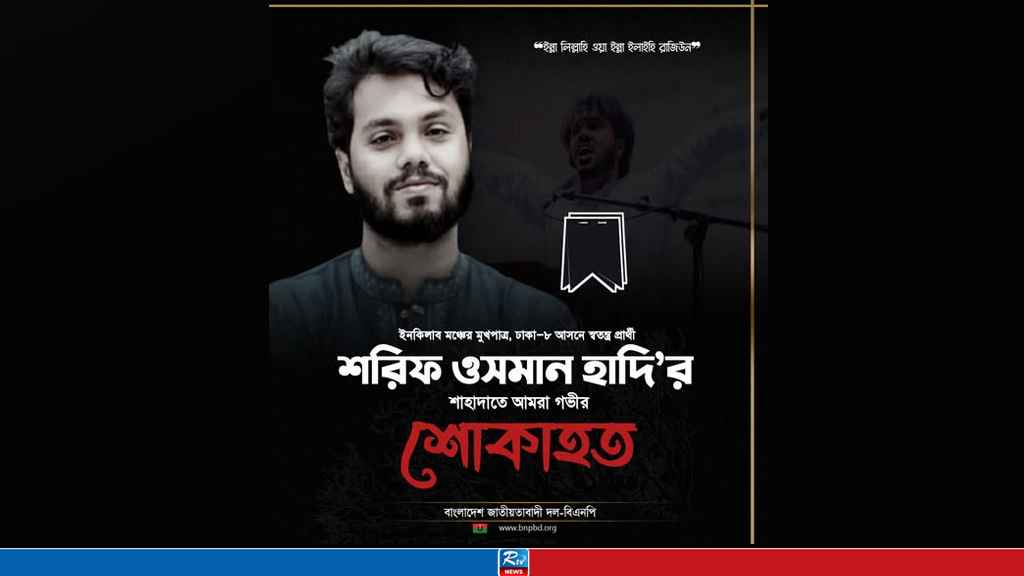
The BNP leader further alleged that the government failed to intervene despite intelligence warnings following Sharif Osman Hadi’s death.
He questioned why authorities neglected reports predicting the violence, asking, “There should have been preparations to prevent this; why was that intelligence not acted upon?”
“There should have been predictions, intelligence reports and preparations to prevent it. We also came to know about those reports. But why was that report not taken into account?” he asked.
Salahuddin Ahmed questioned the role of the state and election authorities, pointing to claims that security forces arrived hours late to the scene of the attacks.
“The role of those who are responsible for running the state and for holding a neutral election — their role in this matter is now questionable.”
He asserted that the recent hostility toward the press is part of a broader, months-long trend of intimidation that authorities failed to curb. He also urged a stricter crackdown on mob rule, questioning why such a culture of violence was allowed to take root.
“We wanted democracy, but it has somehow devolved into mobocracy,” he said, calling out the government's inability to protect key establishments.
“It should have been predicted and assumed. The way mobocracy has been allowed at certain establishments shows that though we wanted democracy, somehow it has turned into mobocracy,” he added.



 Live TV
 RTV Plus