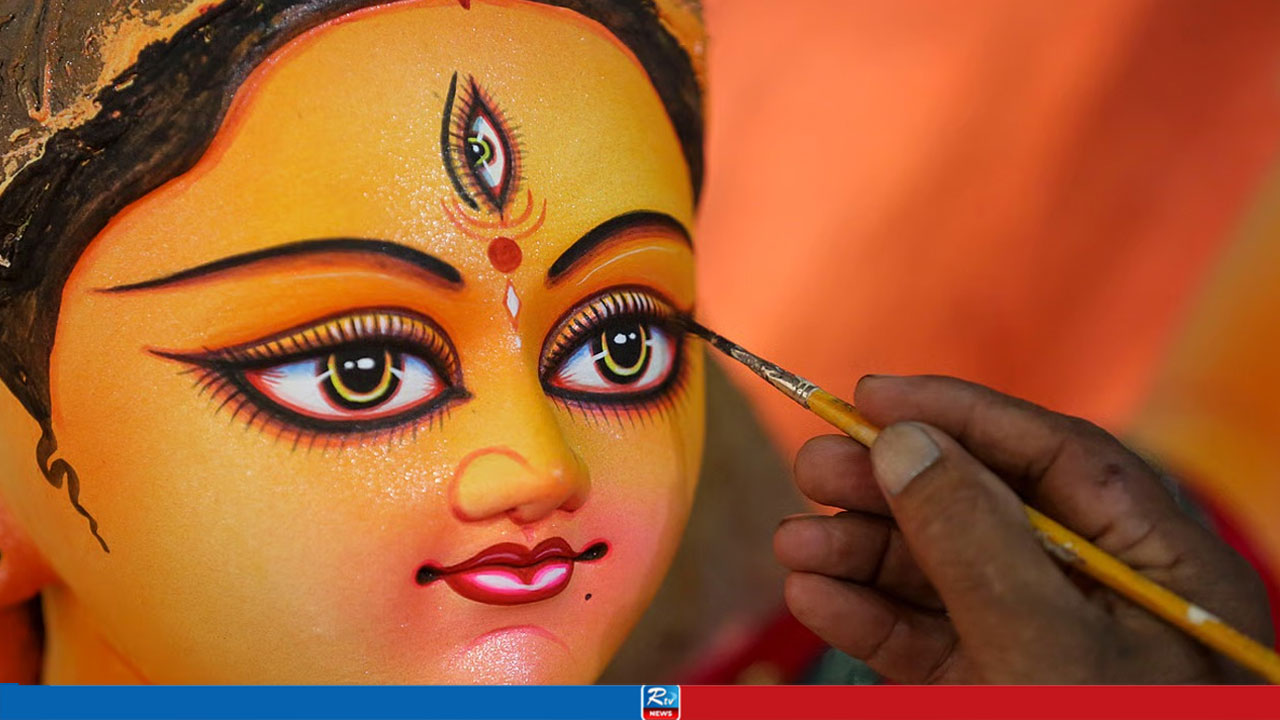
Lakshmi Puja, a prominent spiritual celebration of the Hindu population, will be observed on Sunday with appropriate religious devotion and zeal.
The ritual occurs on the initial full-moon night following the conclusion of Durga Puja, the grandest religious festival for Hindus.
This full-moon evening is additionally designated as "Kujagori Purnima", which is why this worship is likewise recognized as "Kujagori Lakshmi Puja".
Adherents hold the belief that Goddess Lakshmi descends to accept veneration on the night of Purnima to grant blessings of affluence. Guided by this belief, Bengali Hindus conduct Lakshmi Puja in every single one of their homes.
Apart from the full moon during the month of Ashwin, some individuals additionally perform special veneration of Goddess Lakshmi every Thursday.
In specific areas, a tradition exists of worshipping Lakshmi on the evening of 'Dipanwita Amavasya' (the new moon night linked with Diwali).
The ritual is carried out utilizing a ghat (a sacred vessel) or an icon, and it can be observed either on an individual basis or collectively.
Based on sacred texts, Goddess Lakshmi serves as the personification of wealth and prosperity.
She is venerated as the deity of advancement, illumination, wisdom, good fortune, fertility, magnanimity, fortitude, and beauty—truly the Goddess of Opulence.
The owl acts as the Bahan (celestial mount) of Goddess Lakshmi. When Lord Vishnu manifested as Rama and Krishna, Lakshmi accompanied him as Sita and Radha, respectively.
On the night of Kojagari Purnima, it is believed that Goddess Lakshmi visits the residences of her followers to grace them with abundance and prosperity. Since antiquity, everyone ranging from kings and rulers to traders and everyday householders has worshipped Goddess Lakshmi.
According to the Vishuddha Siddhanta Panjika (the authoritative Hindu almanac), Kojagari Lakshmi Puja will be marked on Sunday.
The Purnima Tithi (lunar phase of the full moon) will commence at 11:55 am on October 25 and terminate at 9:41 am on October 26.
Within Bengali culture, diverse popular folklore tales center around Goddess Lakshmi.
These narratives, written in the format of Panchali (poetic verses), are chanted on the day of the Puja; this custom is termed 'Lakshmi'r Panchali'.
Indispensable requisites for Lakshmi Puja encompass vermilion (sindoor), a sacred vessel (ghat), unhusked paddy (dhan), soil, mango leaves, blossoms, durva grass, tulsi leaves, haritaki (myrobalan), sandalwood, incense, diya (earthen lamps), naivedya (ritual food offerings), atap rice (sun-dried rice), and water.
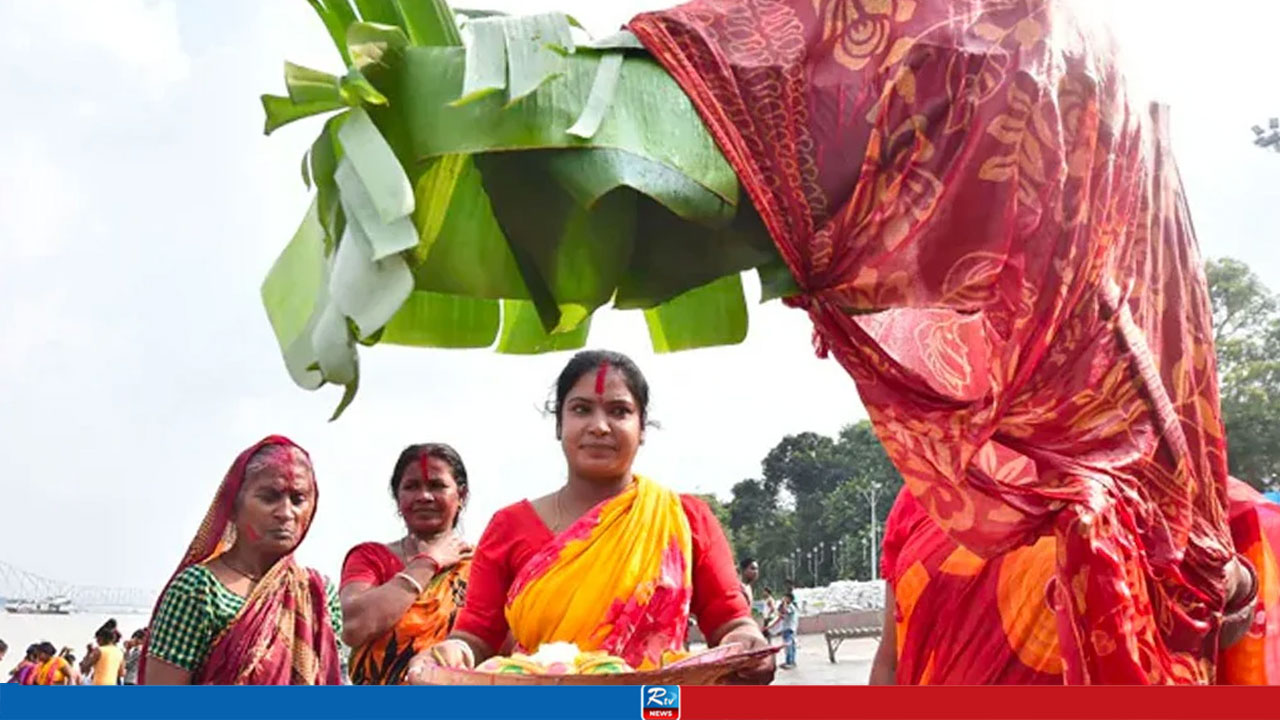
Over the course of Lakshmi Puja, the residential courtyard is decorated with a mangalghat (a sacred pot) and bundles of paddy, alongside alpona (traditional decorative motifs) crafted from rice flour paste, which frequently portray the footprints of Goddess Lakshmi.
On this occasion, women undertake a fast.
It is traditional to remain awake across the entire night during Lakshmi Puja.
The expression 'Kojagari' stems from the query, "Who is awake?" Per scriptural accounts, Goddess Lakshmi visits every household on this evening.
If the doors of a dwelling are shut and the occupants are slumbering, she retraces her steps.
For this cause, the observance is designated as 'Kojagari' Lakshmi Puja, and there exists a custom of maintaining an overnight vigil.
While Goddess Lakshmi is venerated within the homes of Bengali Hindus, numerous families additionally conduct a ritual worship of the Goddess every Thursday.
Numerous members within the Hindu community undertake a fast during Lakshmi Puja.
Beyond the religious rites, alpona designs—specifically featuring the footprints of Goddess Lakshmi—are sketched in the courtyards of residences.




 Live TV
 RTV Plus