
To ensure accountability, improve service quality, and enhance bill collection efficiency, the government plans to hand over retail-level power distribution operations to the private sector, announced Minister for Power, Energy and Mineral Resources Iqbal Hasan Mahmud.
He made these remarks while serving as the chief guest at a conference titled "Bangladesh's Energy Security and Transition," organized by the daily Bonik Barta at the Pan Pacific Sonargaon Hotel in Dhaka on Wednesday (July 22).
The minister stated that power generation and wholesale control will remain under government oversight.
However, increasing private participation in the distribution system will improve accountability, bill collection, and customer service standards.
Proposals have been invited from the private sector to take over the responsibilities of power distribution companies, the minister noted, adding that greater private involvement will increase transparency, raise service quality, and reduce the financial burden on the government.
Focus on Energy Security and Renewable Energy
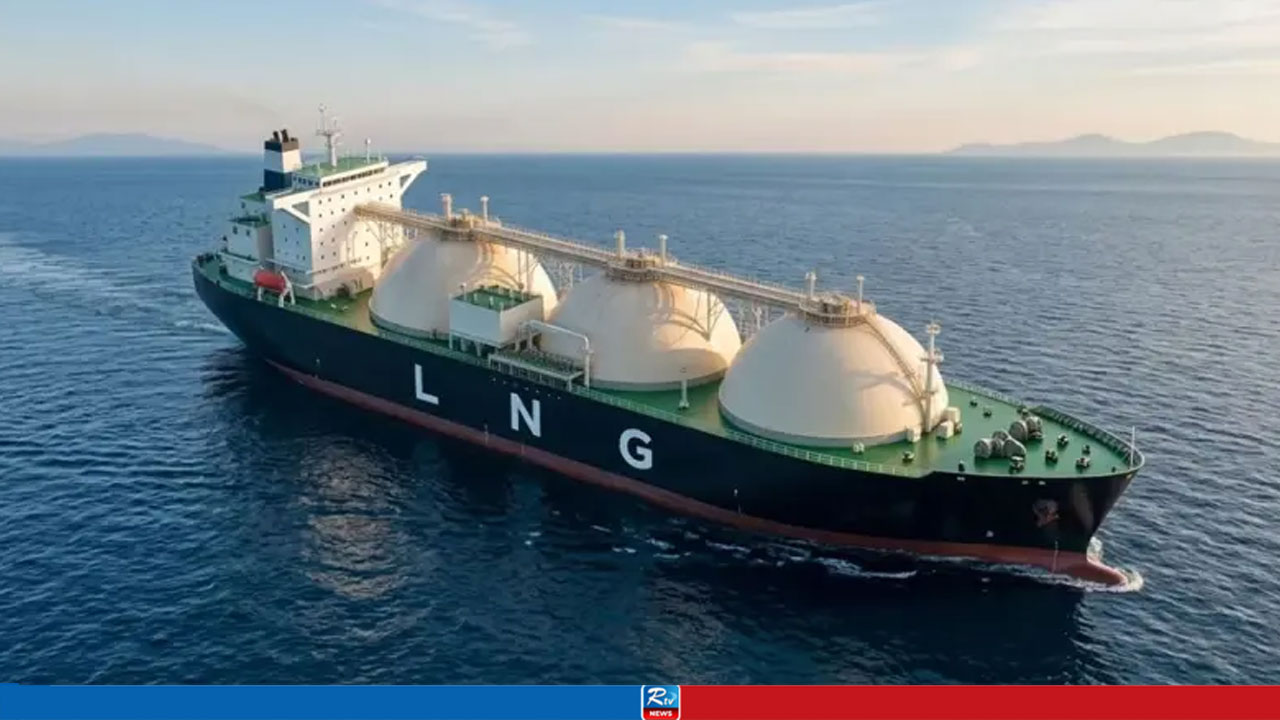
Addressing the country's energy security, the minister said that to ensure long-term energy security, the government must boost domestic gas exploration and production while strengthening infrastructure for importing liquefied natural gas (LNG).
To alleviate pressure on the national grid, the government plans to implement cluster-based solar power projects, with plans to invite tenders by September of this year, Iqbal Hasan Mahmud said. He added that several Chinese companies have expressed interest in investing in this sector.
He expressed optimism that with adequate cooperation, Bangladesh has the potential to generate over 10,000 megawatts of electricity from renewable sources.
To encourage rooftop solar installations, the minister mentioned that the government is initiating tax exemptions and holding tax benefits for homeowners.
Addressing Gas Crises and Planning Failures
Addressing the country's energy crisis, the minister pointed out that despite increased power generation capacity, effective initiatives were not taken in the past to explore and produce necessary gas.
Currently, the country's power generation capacity stands at around 28,000 megawatts, but adequate steps were not taken to ensure the gas supply required to operate these plants.
Referring to a recent fire incident at a floating LNG terminal (FSRU) in the country, he said the accident disrupted LNG supplies and caused a drop in gas pressure in various areas, affecting residential consumers, industrial factories, and CNG stations.
He emphasized that further LNG import infrastructure needs to be developed to prevent a failure in a single facility from plunging the entire country's gas supply system into crisis.
Criticizing the establishment of a gas-fired power plant in Khulna without ensuring adequate gas supplies, the minister said the proposed Bhola-Barishal-Khulna gas pipeline was not constructed, rendering the power plant unable to operate as expected.
Highlighting escalating global energy security challenges, the energy minister noted that geopolitical instability—particularly the crisis in Iran—has driven up LNG prices, forcing Bangladesh to purchase gas from the spot market at high costs.
The minister concluded by noting that the government has announced a new renewable energy policy and is prioritizing cluster-based solar power projects to reduce strain on the distribution system.






 Live TV
 RTV Plus


