Cultural Affairs Minister Nitai Roy Chowdhury asserted on Sunday that cultural awakening serves as the most potent mechanism of resistance against religious fanaticism, intolerance, and sectarian fractures within the modern world.
He further underscored the necessity for collaborative undertakings between Bangladesh and India to fortify human values and social harmony utilizing literature, music, theater, and folk traditions.
The minister delivered these observations when Indian High Commissioner to Bangladesh Dinesh Trivedi rendered a courtesy visit to him at the Secretariat today.
Throughout the conference, the dignitaries engaged in an exhaustive dialogue concerning the historical and cultural connections linking the two nations, the observance of Nazrul Year, reciprocal delegations of artists and researchers, classical music, traditional folk arts, the cultivation of youthful talent, and joint ventures aimed at preserving maritime cultural heritage.
Nitai articulated that the profound affinity bridging the languages, literature, music, folk legacy, and human principles shared by the populations of both countries constitutes the sturdiest bedrock of bilateral ties.
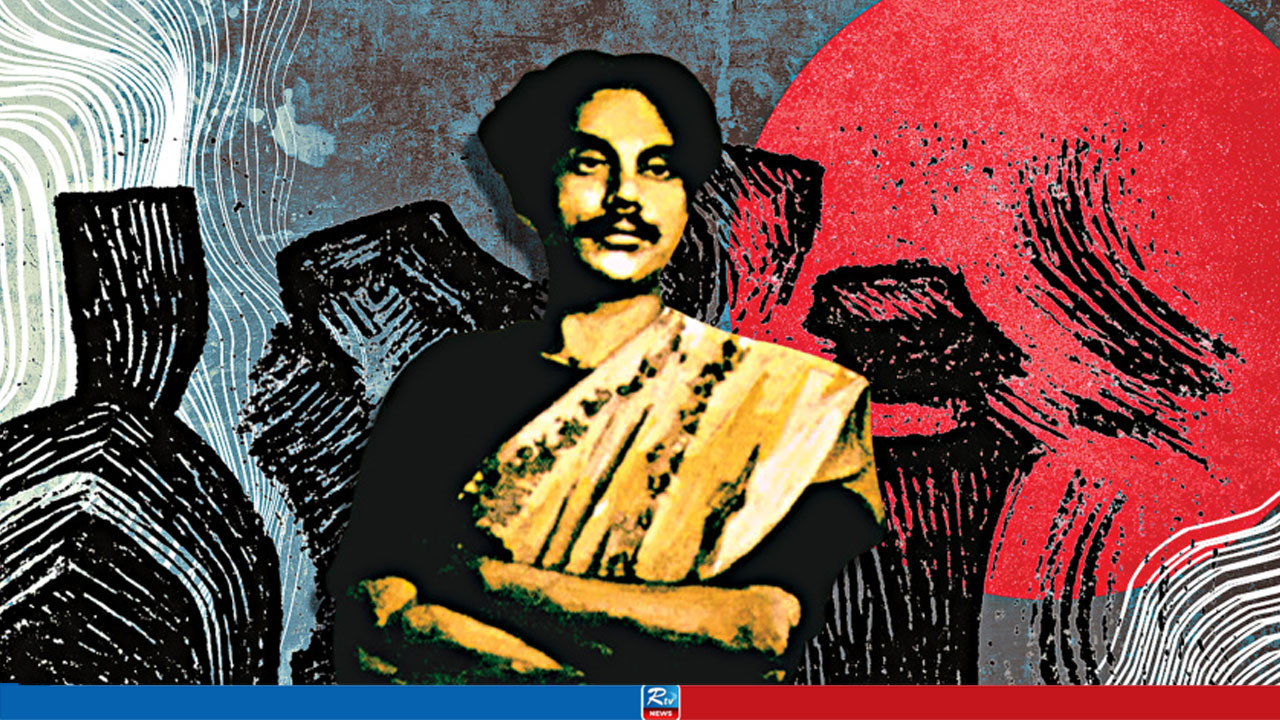
On the occasion of the ongoing Nazrul Year, he formally extended invitations to esteemed Nazrul researchers, performers, and cultural icons from India to partake in diverse domestic and transnational events being organized across Bangladesh.
He additionally highlighted Rabindranath Tagore, Kazi Nazrul Islam, Lalon Shah, and Bengali folk compositions as core pillars forming the mutual cultural inheritance of the two states.
During the discussions, State Minister for Culture Ali Newaz Mahmood Khyom put forward a proposal to institute a classical music network connecting both countries. As a preliminary measure, he suggested inviting a pair of classical musicians from India to Bangladesh to conduct instructional workshops.
He likewise advocated for the adoption of a fresh strategic plan by updating the existing Bangladesh-India Cultural Cooperation Agreement.
State Minister for Culture Ali Newaz Mahmood Khyom, Secretary Yasmin Begum, the Deputy High Commissioner of India, and the Director of the Indira Gandhi Cultural Centre, alongside other officials, were in attendance.
Indian High Commissioner Dinesh Trivedi expressed that initiating joint training programs, residency projects, and cultural exchange endeavors tailored for youthful talent from both nations would additionally reinforce mutual comprehension among coming generations.
He similarly noted that substantial potential exists for collaborative investigative projects and cultural initiatives between Bangladesh and India focused on safeguarding maritime cultural artifacts centered around the Bay of Bengal.
He characterized Bangladesh as a nation defined by communal harmony, musical expression, and a bountiful cultural legacy.
The High Commissioner pledged comprehensive cooperation in executing world-class commemorations on an expanded scale at Churulia, the birthplace of Kazi Nazrul Islam, while conveying his personal eagerness to participate in such a ceremony.







 Live TV
 RTV Plus