World Tourism Day was commemorated in Sajek Valley of Rangamati for the first time through a vibrant procession, cultural showcases, and events designed to highlight the destination's scenic landscapes and indigenous heritage.
According to a press release issued on Monday, the Rangamati Hill District Council hosted the program on Sunday under the supervision of the Cottage and Resort Owners Association of Sajek, with assistance from the Bangladesh Tourism Board and Bangladesh Parjatan Corporation.
The day's festivities commenced with a road show travelling from Rangamati to Sajek.
Following an opening ceremony featuring a ceremonial balloon release, attendees participated in a rally marching from the Sajek Entry Point to Zero Point, where indigenous community members arrayed themselves in traditional attire.
The day's itinerary incorporated a sanitation drive, tree plantation initiative, photography exhibition, and the formal opening of a traditional food venue. Concurrently, the Cottage and Resort Owners Association of Sajek debuted its official website.
Rangamati Hill District Council Chairman Dipan Talukder Dipu graced the occasion as the chief guest.
Special guests in attendance included Baghaihat Zone Commander Lt Col Md Tarekul Imran, Rangamati District BNP General Secretary and district council member Advocate Mohammad Mamunur Rashid, alongside district council member overseeing tourism Shwashata Chakma.
District council member and President of the Cottage and Resort Owners Association of Sajek Suparna Deb Barman presided over the event.
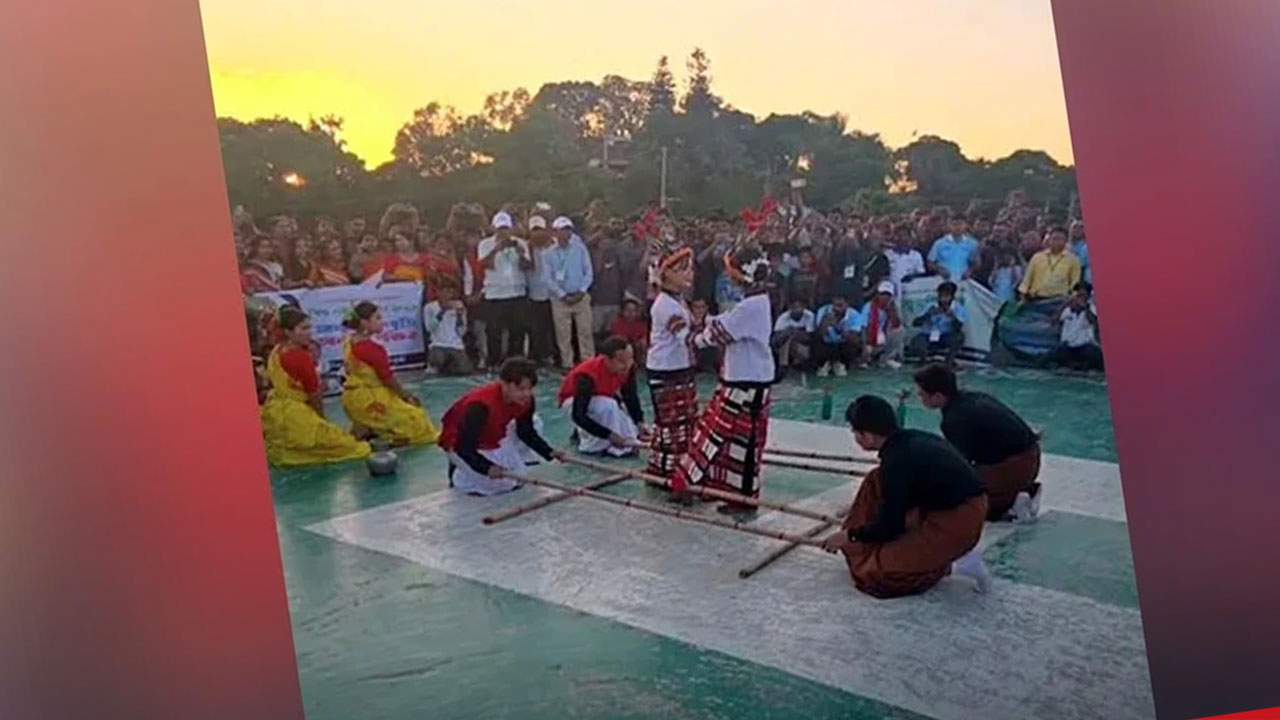
During the afternoon session, performers representing the Lushai, Tripura, Chakma, and Marma communities delivered cultural presentations at the Sajek Helipad grounds, alongside invited Manipuri dancers who executed a traditional dance accompanied by the mridangam.
The gathering drew local inhabitants, commercial tourism stakeholders, travelers, press representatives, and digital content creators.
Organizers noted that the event was designed to elevate Sajek's broader tourism prospects by projecting its natural terrain, cultural diversity, and ethnic traditions.






 Live TV
 RTV Plus