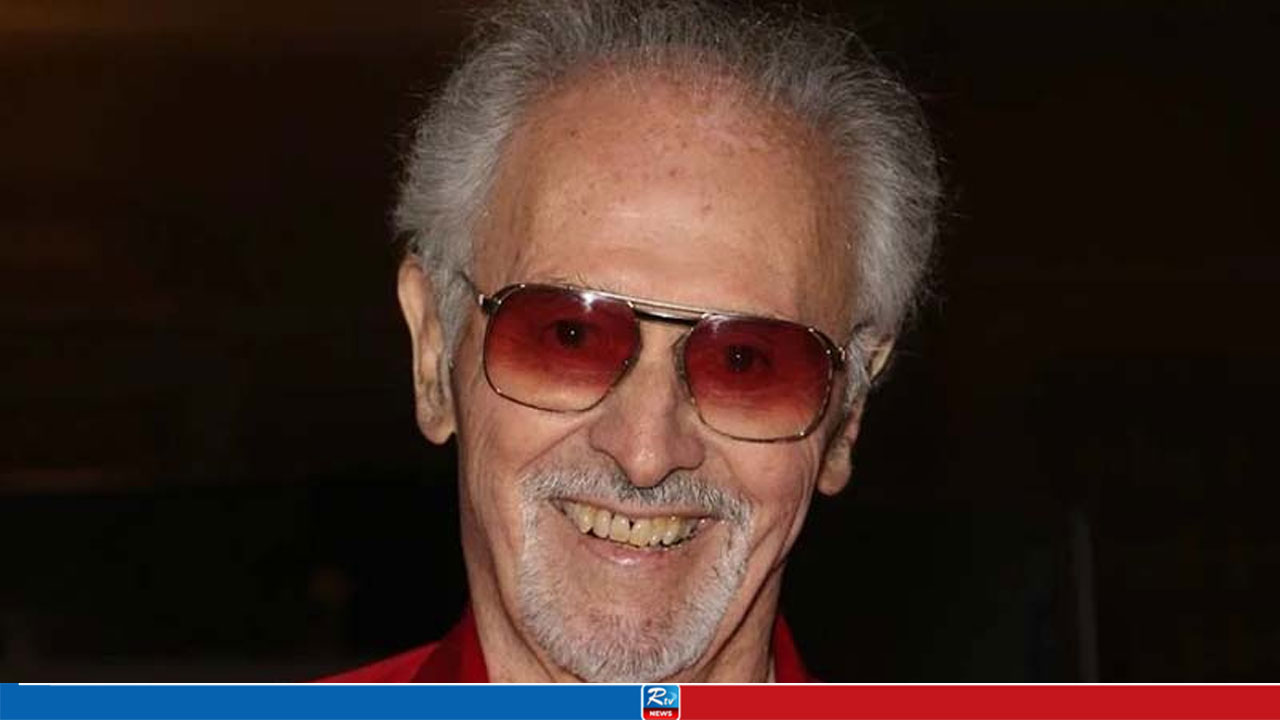
Renowned Hollywood actor Michael Forest has passed away at the age of 97. He died on October 14 while residing at a residential care center in Sparks, Washoe County, Nevada, in the United States.
A close friend confirmed the news of his death.
According to a report by media outlet Deadline, Michael Forest was a prolific and long-standing character actor who appeared in Roger Corman’s B-movies and lent his voice to numerous animated projects.
He was also featured in prominent roles across television classics ranging from The Adventures of Rin Tin Tin, The Twilight Zone, and The Dick Van Dyke Show to Silk Stalkings, daytime soap operas, and Star Trek.
Forest notably appeared as a character named Lupesh in the first season of the popular classic espionage series Mission: Impossible, which broadcast in 1966.
Among his extensive television credits, Forest remained a beloved figure for Star Trek fans and well-wishers, delivering a memorable performance as the Greek god Apollo in the 1967 episode titled "Who Mourns for Adonais?"
His other notable television work includes playing Laura Petrie’s ex-boyfriend on The Dick Van Dyke Show, who is set up on a date with Rose Marie’s perpetually single character, Sally Rogers. That same year in 1964, the Hollywood star appeared as a member of an alien biker gang in The Twilight Zone episode "The Black Leather Jackets."
His prolific television appearances across the 1950s, 1960s, and 1970s span numerous classic shows, including Zorro, Have Gun — Will Travel, Maverick, Ben Casey, The Outer Limits, Gunsmoke, Gomer Pyle, U.S.M.C., I Spy, Gilligan’s Island, Get Smart, The Rookies, and Who’s the Boss?
Forest was also a busy voice and dubbing artist, working extensively on character voices and dubbing for animated series and video games throughout the 1990s and 2000s.
Born Gerald Michael Charlebois on April 17, 1929, in Harvey, North Dakota, Forest later moved to Los Angeles in 1955.
There, he was introduced to director Roger Corman through an acting class, marking the beginning of their collaborative work together in the late 1950s.






 Live TV
 RTV Plus