A marine scientist has successfully unraveled a biological puzzle four decades in the making following the verified identification of an elusive new seaweed species originating from ancient British maerl beds.
The initial encounter occurred during the 1980s when Professor Christine Maggs came across the minute, pink-striped organism while conducting doctoral research on maerl habitats—complex marine ecosystems constructed from calcified, coral-like seaweed fragments that support diverse aquatic life.
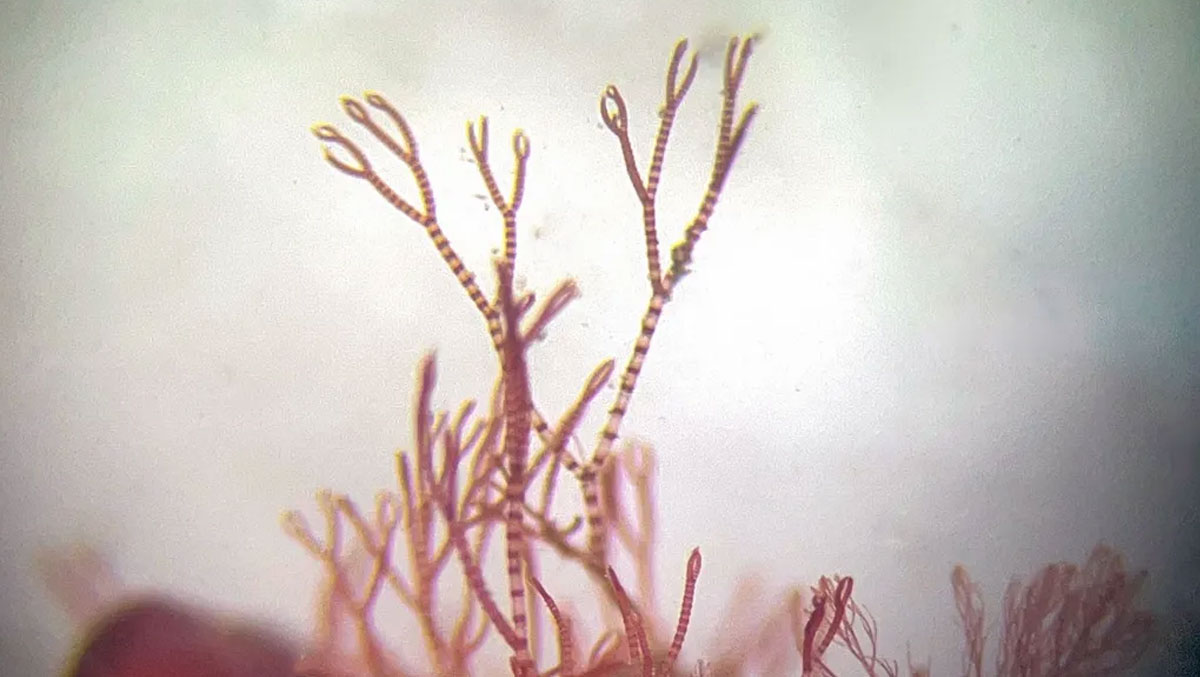
Suspecting the specimen was entirely unknown to science, Maggs embarked on a multi-decade quest to gather sufficient material to make a definitive identification.
Throughout the intervening years, traces of the organism surfaced only sporadically, never yielding a substantial enough sample for conclusive laboratory study.
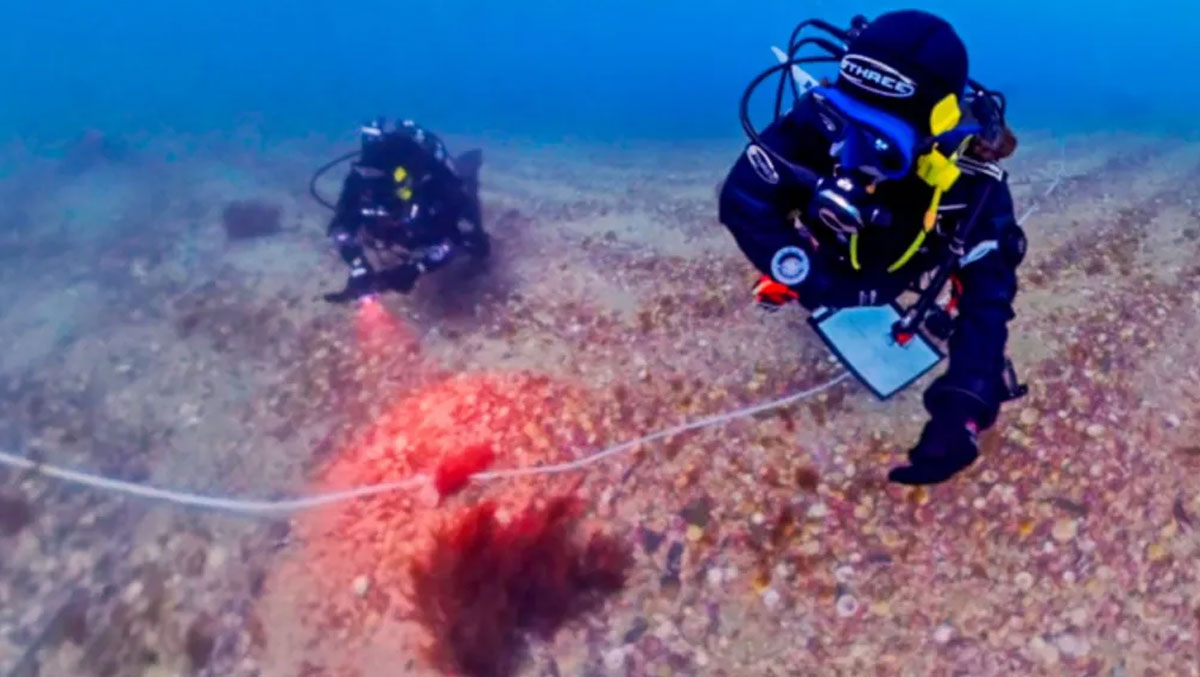
The turning point arrived two years ago during a Natural England habitat monitoring dive off the Cornish coastline, where researchers retrieved a specimen resembling the long-sought marine plant.
Marine biologist Francis Bunker, who gathered the essential specimens, recounted using a magnifying glass underwater to inspect marine growth when he identified the small, pink-banded organism and realized its potential significance to Maggs's ongoing quest.
To perform necessary genetic testing on the microscopic sample, Maggs cultivated the organism inside a temperature-controlled wine refrigerator, utilizing its dark, chilled environment to nurture growth prior to DNA extraction.
"I just kept hoping that one day I would find out. It's been more than four decades," Maggs stated in an interview, emphasizing that obtaining genetic data was indispensable to resolving the mystery after forty years.
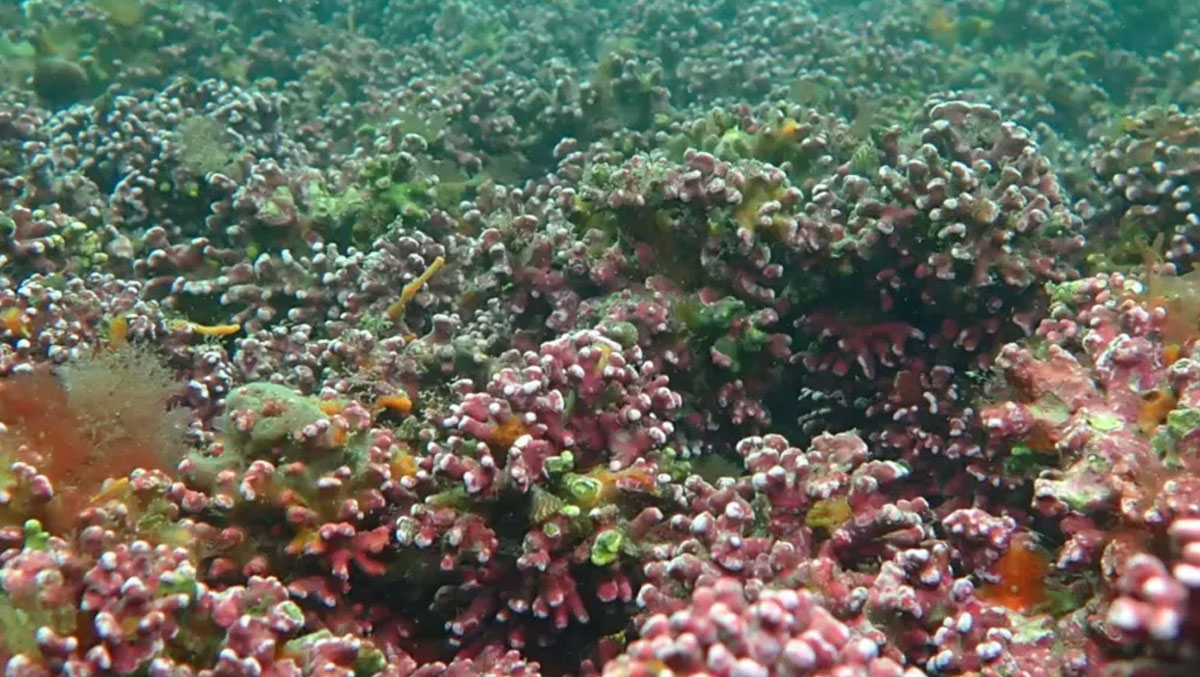
Following successful DNA sequencing and official confirmation, a preserved specimen of the newly classified species has been formally deposited into the collections of the Natural History Museum.
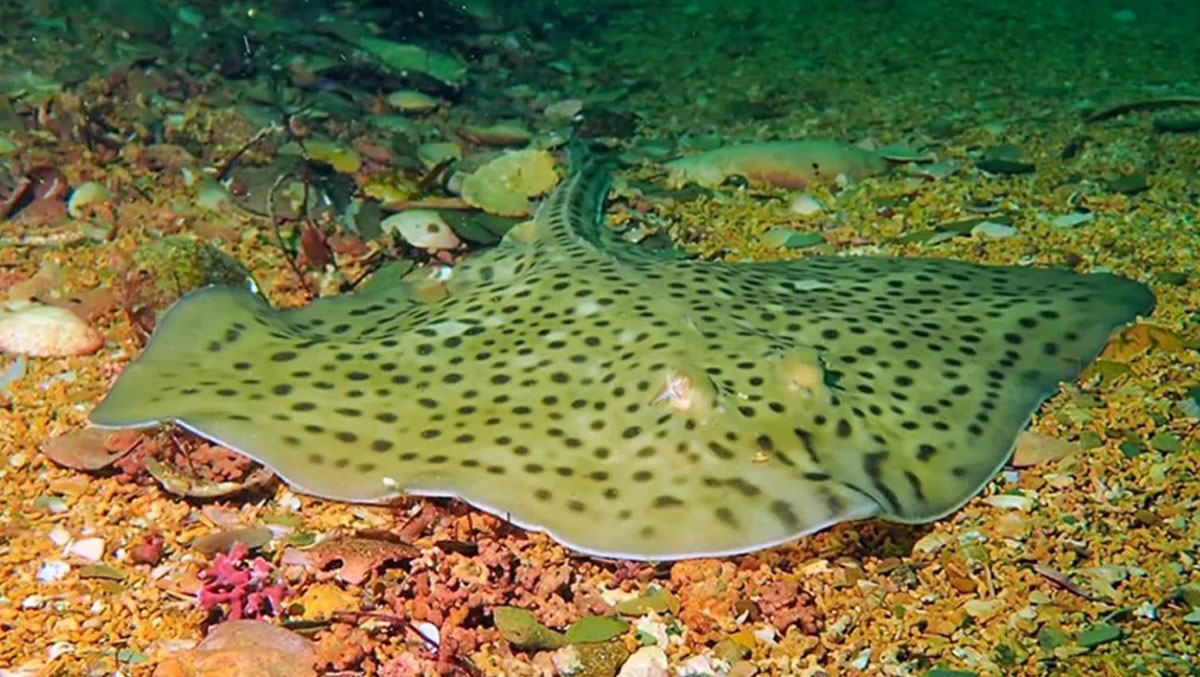
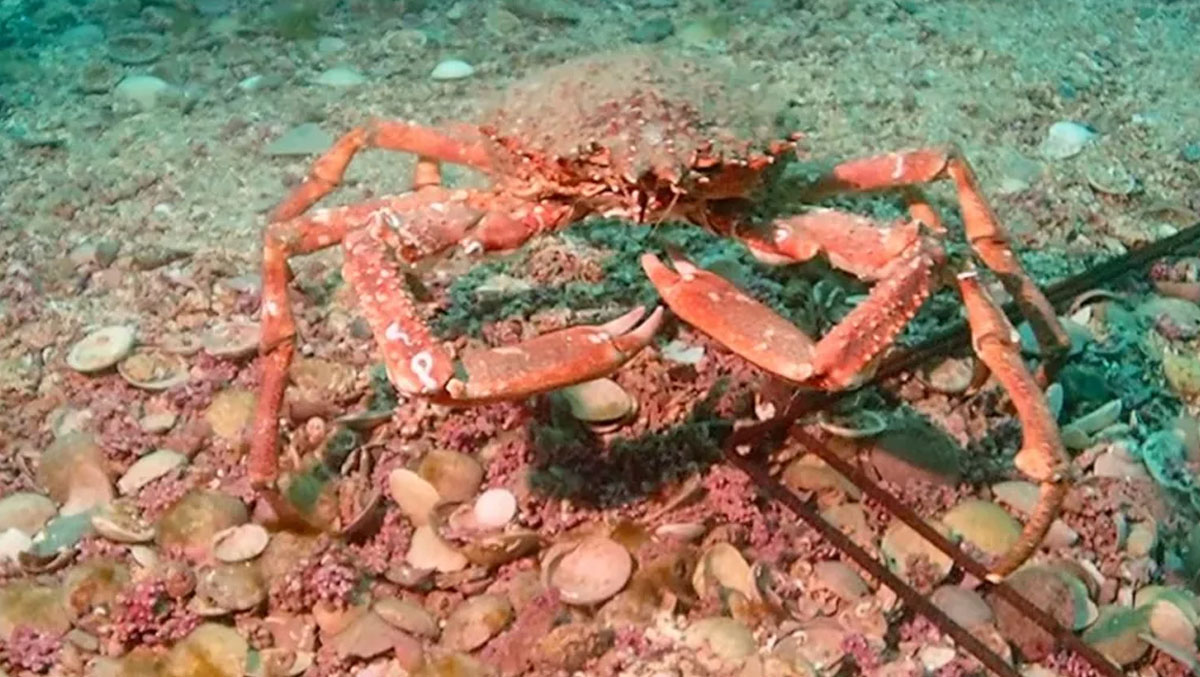
Describing the diving conditions within the maerl beds where spider crabs, starfish, king scallops, and goby fish thrive, scientific diver Lucy May noted, "It's magical. You feel completely surrounded by nature."
Source: BBC



 Live TV
 RTV Plus