New Delhi has conveyed that matters concerning the Ganges Water Treaty involving Bangladesh and India will be addressed through the mechanism of the bilateral Joint Rivers Commission (JRC), even as Dhaka anticipates a formal reply from the Indian side regarding the subject.
“Ganga Water Treaty was signed in 1996 for a period of 30 years and all water related issues, river related issues between India and Bangladesh are discussed as part of the agenda of the bilateral Joint Rivers Commission,” stated Randhir Jaiswal, Official Spokesperson for the Indian Ministry of External Affairs.
While addressing journalists in New Delhi lately, Jaiswal mentioned that subsequent sessions involving the Joint Committee of the Ganga Water Treaty persist in taking place at the technical domain.
The administration remains resolute in renegotiating the Ganga Water Sharing Treaty alongside India while safeguarding the fundamental rights of Bangladeshi citizens.
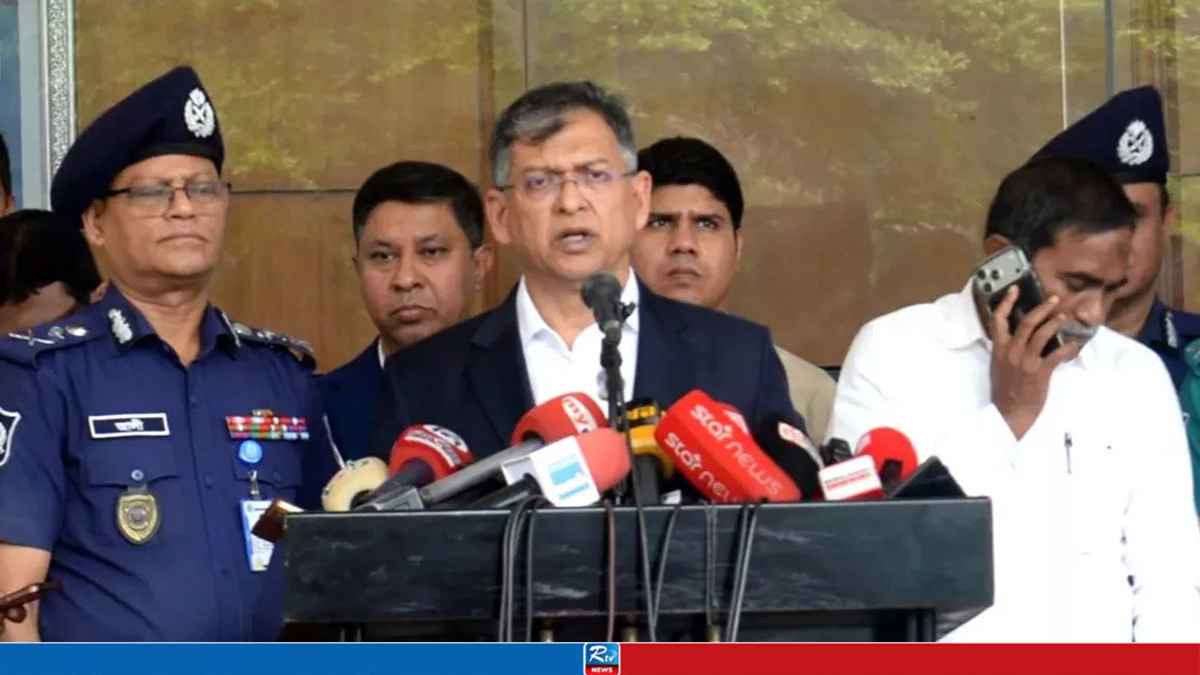
Responding to a supplementary inquiry from Bagerhat-4 legislator Abdul Aleem on Thursday, Foreign Minister Dr. Khalilur Rahman noted that Bangladesh maintains an active stance in pursuing its equitable proportion of resources from transboundary rivers.
He communicated that a specialized task force has been constituted to draft a fresh accord following the culmination of the Ganges Water-sharing Treaty, and Indian officials have been formally notified.
“We are now waiting for their response.”
The Bangladesh-India Ganga/Ganges Water Treaty was concluded in 1996 for a span of 30 years, scheduled to lapse this coming December.
Specialists suggested that the pact requires a thorough review and structural overhaul prior to pursuing a renewed agreement by incorporating economists, urban planners, sociologists, and environmental experts within the strategic formulation, given that Dhaka shares the inherent hazard of inadequate allocation.
Foreign Minister Dr. Khalilur, during his participation at the ninth Indian Ocean Conference held in Mauritius, expressed that they wish to witness an arrangement and a new or revised treaty that guarantees the vital requirements of their populace.
“These are common rivers, and we have common legacies here, common interests and, as I said, there's no other alternative but to seek a solution that is durable and will win public trust. And this will also be very important to lay the basis for the relationship over the next 25 to 50 years,” he remarked to NDTV on the margin of the gathering.
“I think it is very important for Bangladesh and India to renew the Ganges Treaty. But it has to be revised. The very simple reason is that the treaty was done almost three decades ago,” expressed Prof. Shahab Enam Khan, Executive Director of the Bangladesh Center for Indo-Pacific Affairs, during a recent interview with a local media.
With Inputs from UNB





 Live TV
 RTV Plus