The United States and Iran have reached a peace agreement to bring an end to the war. Iranian state media has released details outlining 14 key points included in the pact, though these points have not yet been independently verified by US or Iranian officials.
Pakistani Prime Minister Shehbaz Sharif, whose country acted as a mediator in the peace talks, announced early Monday morning that the two nations had reached an accord.
Shortly after, US President Donald Trump confirmed the breakthrough in a post on Truth Social.
Following the announcements, Iran's semi-official Mehr News Agency published the 14 points contained in the memorandum of understanding (MoU).
They are as follows:
According to Mehr News Agency, final negotiations will not commence until half of Iran’s frozen funds are released, oil sanctions are lifted, and the US naval blockade is dismantled.
Furthermore, the final agreement between the United States and Iran will be formally ratified via a United Nations Security Council resolution.
Oil Transports via Hormuz to Resume
Confirming the breakthrough, US President Donald Trump posted on Truth Social, stating: "I am authorizing the Strait of Hormuz to be opened completely toll-free. At the same time, I am instructing the immediate lifting of the blockade imposed by the US Navy."
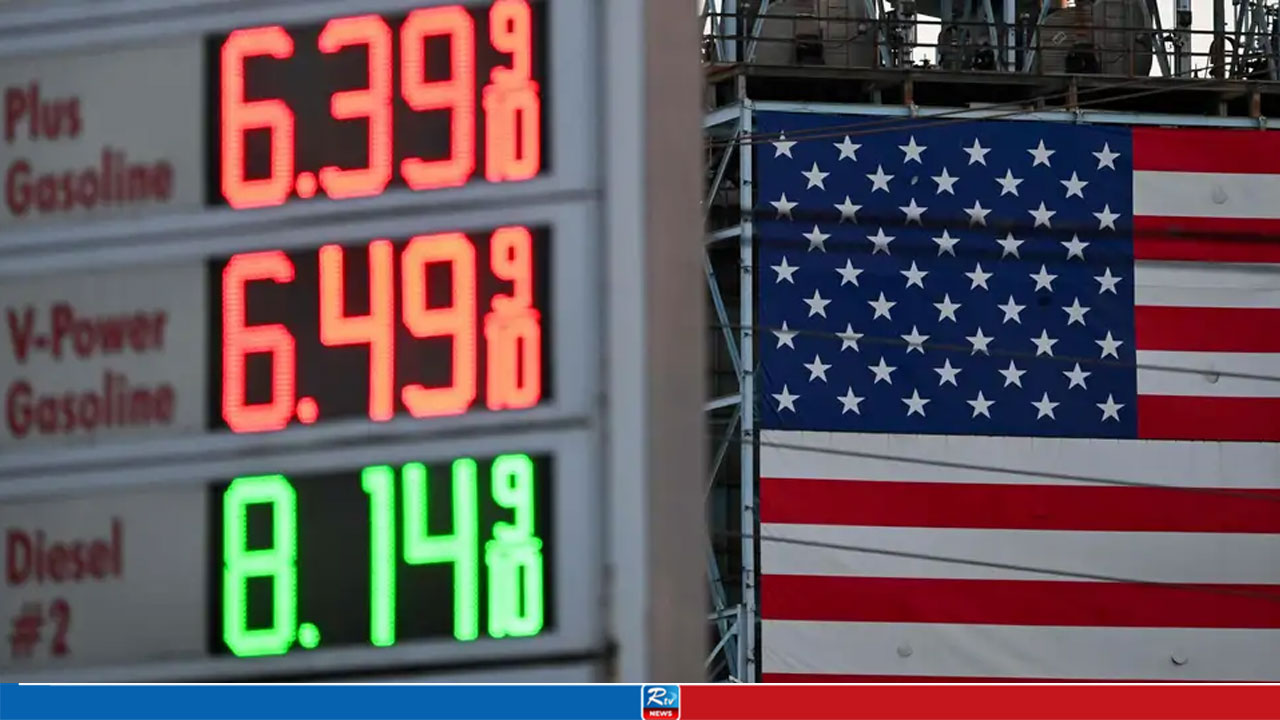
Urging global shipping vessels to fire up their engines, the US President declared that oil transportation would proceed.
In a subsequent post, Trump elaborated on the achievement, noting that he succeeded where others had failed.
"This great agreement will bring peace and security to the entire region," Trump wrote on Truth Social.
He added, "Many presidents have tried to make peace with Iran, and everyone before me failed. For the first time, leaders in the region have a president who can help them achieve true peace."
Trump noted that following the signing of the agreement on Friday and the removal of mines from the Strait of Hormuz, oil transport through both sides of the strait will return to normal for both the region and the entire world.
Israeli Right Views Deal as a 'Strategic Defeat'
US President Donald Trump’s announcement of a peace deal with Iran is expected to face strong resistance from Israel.
According to reports by Al Jazeera, right-wing Israeli media outlets have already launched sharp criticisms against Trump.
Al Jazeera noted that these media channels are widely recognized as loyal to Israeli Prime Minister Benjamin Netanyahu.
This sudden shift against the US President is seen as highly unusual, especially given that recent public opinion polls showed Trump's popularity in Israel outpacing that of the Israeli Prime Minister.
The core issue is that the United States and Israel no longer see eye-to-eye on Iran.
As a consequence of Trump's announcement, Israel could be forced to halt its bombardment of Lebanon, withdraw its troops, or suspend its military incursions altogether.
This potential outcome is the primary source of anger for Israeli hardliners, who view the deal as a political defeat.
They recognize that the agreement will be celebrated as a victory in Tehran—one that ultimately translates into a "strategic defeat" for Israel.




 Live TV
 RTV Plus