The principal foreign policy chiefs of Iran and Saudi Arabia engaged in a telephonic conversation on Thursday evening to confer on the expanding insecurity across the region, Tehran disclosed, while omitting direct references to active hostilities in Yemen, a theater where both nations back opposing factions.
Tehran extends both military and financial sponsorship to Yemen's Houthi movement, which has maintained control over extensive territories in the country's northern sectors for years and captured the vital Red Sea port city of Mocha on Thursday.
Conversely, Riyadh has historically backed Yemen's internationally recognized administration and has executed continuous airstrikes against Houthi positions since their offensive commenced, according to the group.
Saudi Arabia and Iran have likewise found themselves locked in friction throughout the broader Middle East conflict, a period marked by Iranian missile operations targeting Saudi petroleum installations and American-affiliated targets inside the Gulf state.
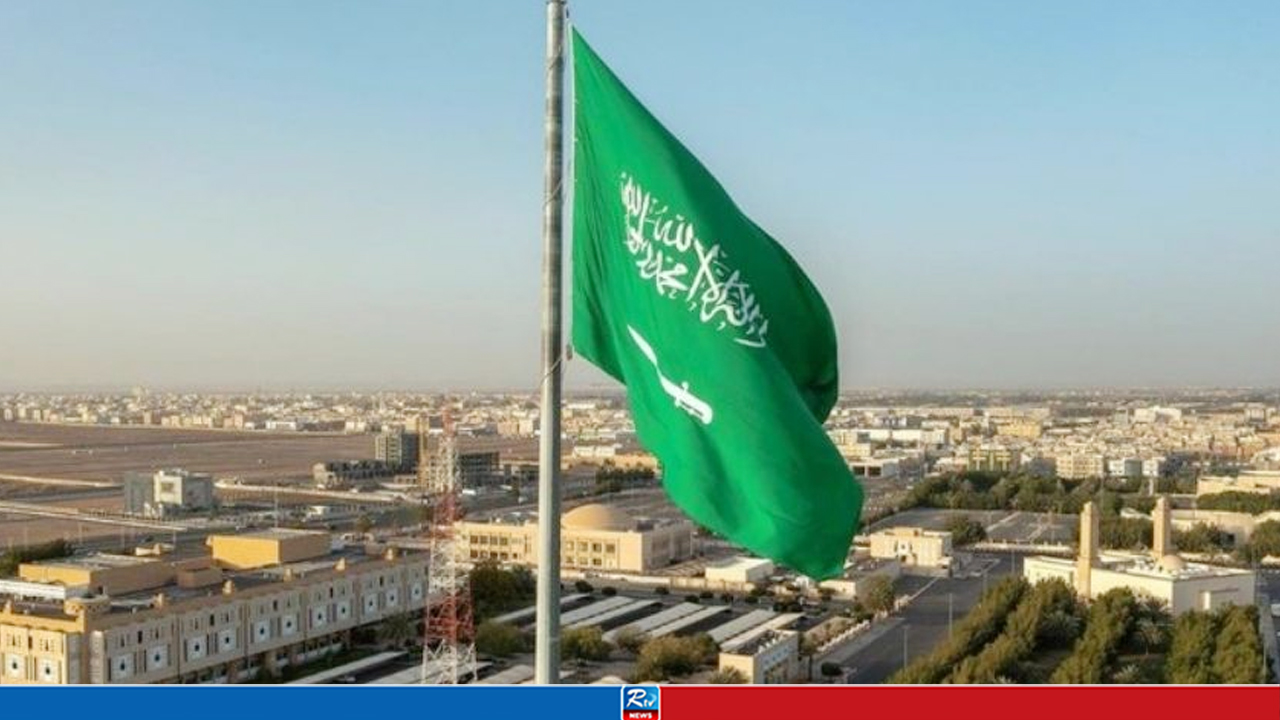
Iranian Foreign Minister Abbas Araghchi conferred with his Saudi counterpart, Prince Faisal bin Farhan, on Thursday night regarding the sharp escalation of friction and the rising instability across the area, as detailed by Tehran's foreign ministry.
The official readout of the dialogue noted that both delegations underlined the necessity of sustaining collaboration and diplomatic initiatives to halt the geographical expansion of hostilities and restore regional equilibrium.
Although the ministry's summary did not explicitly highlight Yemen in the primary statement, a parallel declaration concerning the ongoing combat asserted that it remains impossible to settle the Yemeni crisis through military intervention.
The Houthi forces have held dominance over Yemen's capital, Sanaa, alongside the major port of Hodeida for years, but have recently initiated a fresh operational push advancing toward the strategic Bab al-Mandab strait, serving as the main entryway to the Red Sea.
This marine corridor—connecting Asian markets to Europe through the Suez Canal—has acquired heightened significance as a shipping channel since the onset of the broader Middle East conflict, which coincided with an Iranian blockade of the Strait of Hormuz.
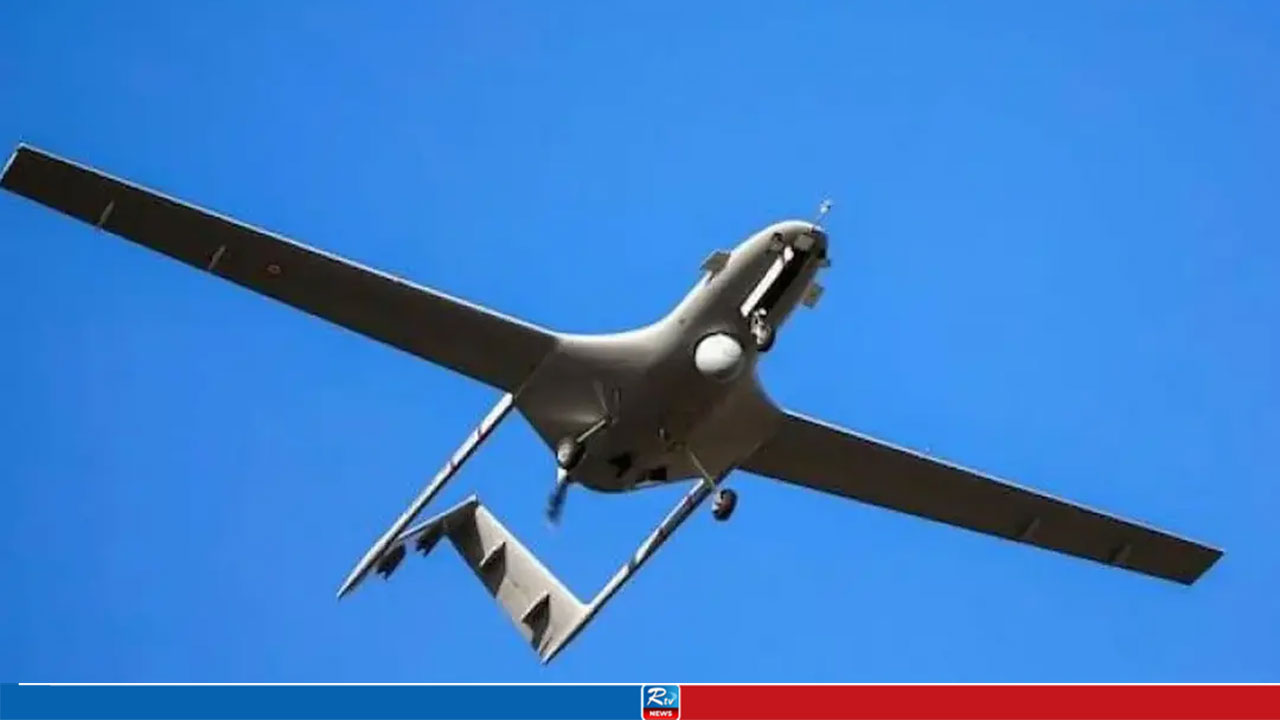
Utilizing aerial drones and guided missiles, the Houthis have successfully interrupted maritime traffic within the Red Sea while attempting to impose a naval blockade against Saudi harbors alongside strikes on domestic petroleum facilities.
Yemen descended back into active warfare in July following years of fragile peace punctuated by intermittent clashes and escalating economic deprivation.
On Wednesday, the Saudi-led military coalition confronting the movement announced that the group had launched ballistic missile and drone payloads targeting multiple urban centers located in southern Saudi Arabia.
Source: AFP



 Live TV
 RTV Plus