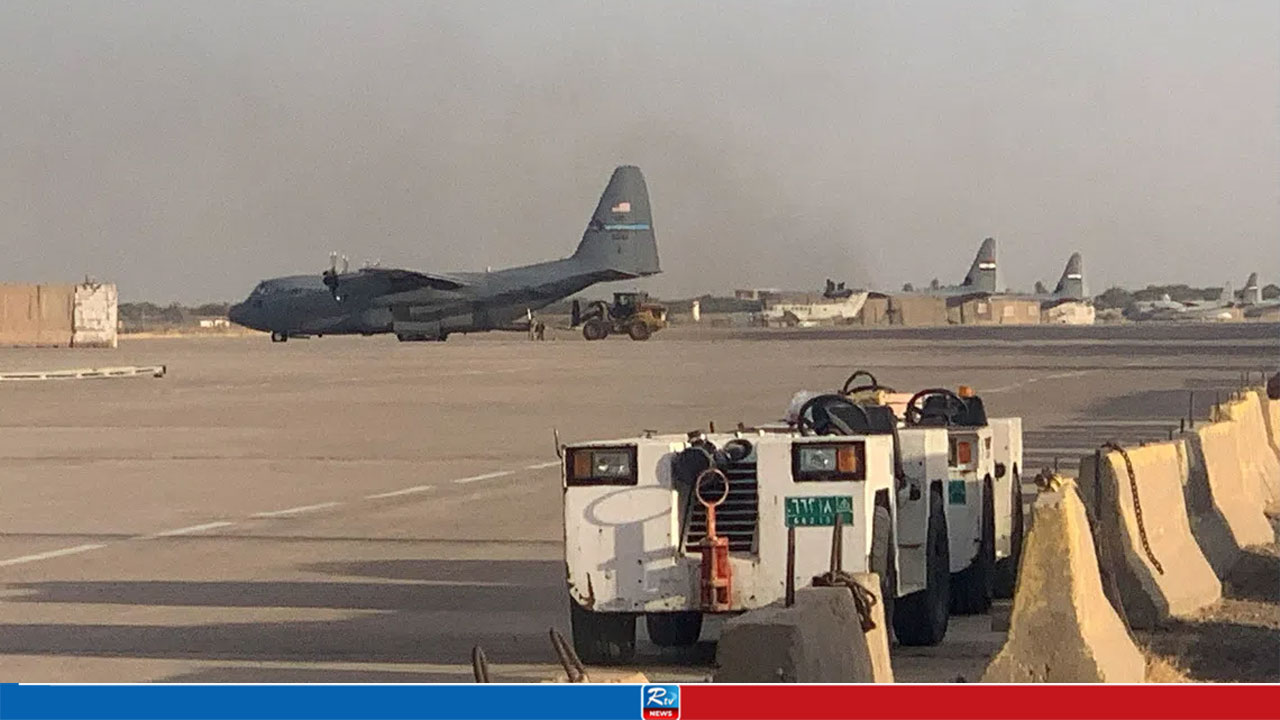
The United States has decided to deploy more than 10,000 additional troops to the Middle East, aimed at intensifying military and diplomatic pressure on Iran.
According to a report by The Washington Post on Wednesday (April 15), citing US officials, the deployment is part of a broader strategy to strengthen Washington’s position as tensions escalate.
Naval Build-up and Troop Movements
The deployment includes approximately 6,000 personnel aboard the aircraft carrier USS George H.W. Bush and its accompanying strike group, which are currently en route and expected to arrive in the region later this month.
Once they arrive, the carrier will join the USS Abraham Lincoln and USS Gerald R. Ford, bringing the total number of US aircraft carriers in the region to three.
Additionally, the Boxer Amphibious Ready Group and the 11th Marine Expeditionary Unit, comprising about 4,200 troops, are scheduled to reach the area by the end of April.
According to the Pentagon, these new arrivals will join approximately 50,000 US service members already stationed in the region since operations began on February 28.
Analysts suggest this massive buildup serves two purposes: providing leverage in negotiations and ensuring readiness for potential large-scale military action.
Naval Blockade and Diplomatic Stalemate
US Central Command (CENTCOM) has declared its naval blockade of Iran "fully operational," claiming it has successfully severed Iran’s maritime trade routes.
However, international ship-tracking data indicates that some vessels are still managing to traverse the Strait of Hormuz, raising questions about the blockade's total effectiveness.
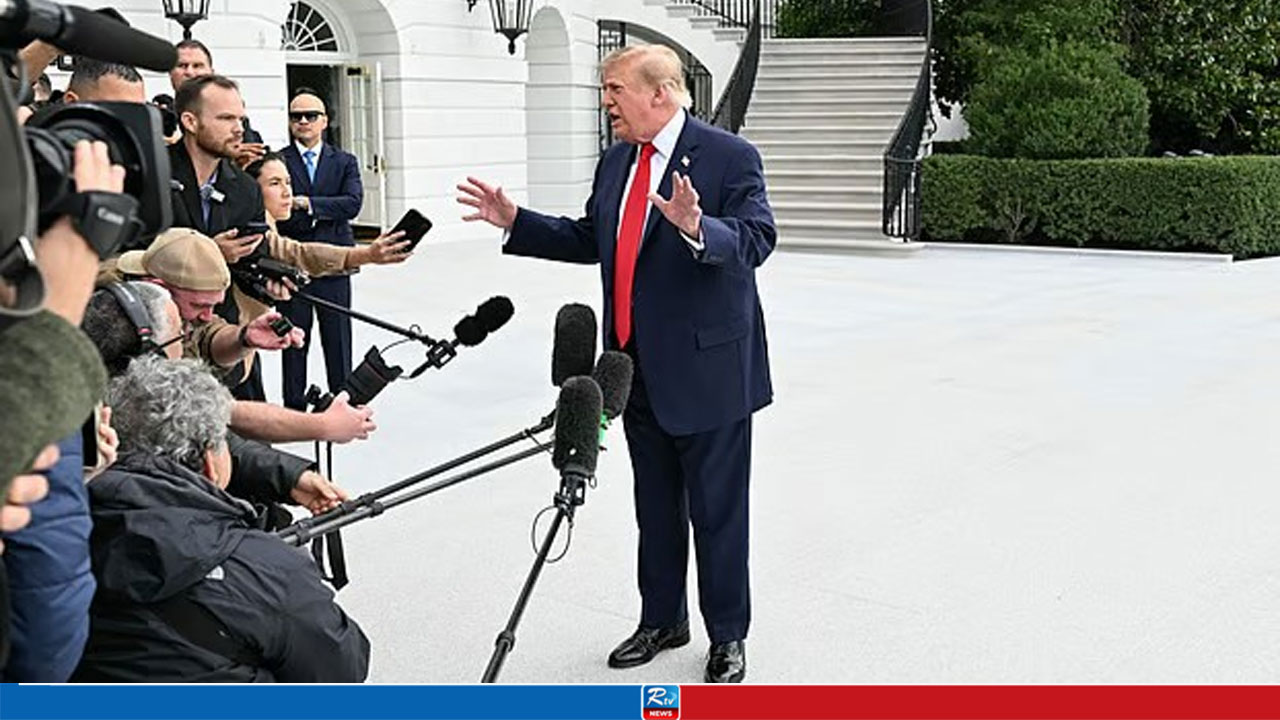
Despite the military posturing, President Donald Trump has hinted at a possible diplomatic breakthrough.
Although high-level talks in Islamabad last week ended without a deal, the President suggested that new discussions with Iranian officials could take place in Pakistan within the next "two days."
The region currently remains under a fragile two-week temporary ceasefire, which is set to expire on April 22.
Source: The Washington Post






 Live TV
 RTV Plus