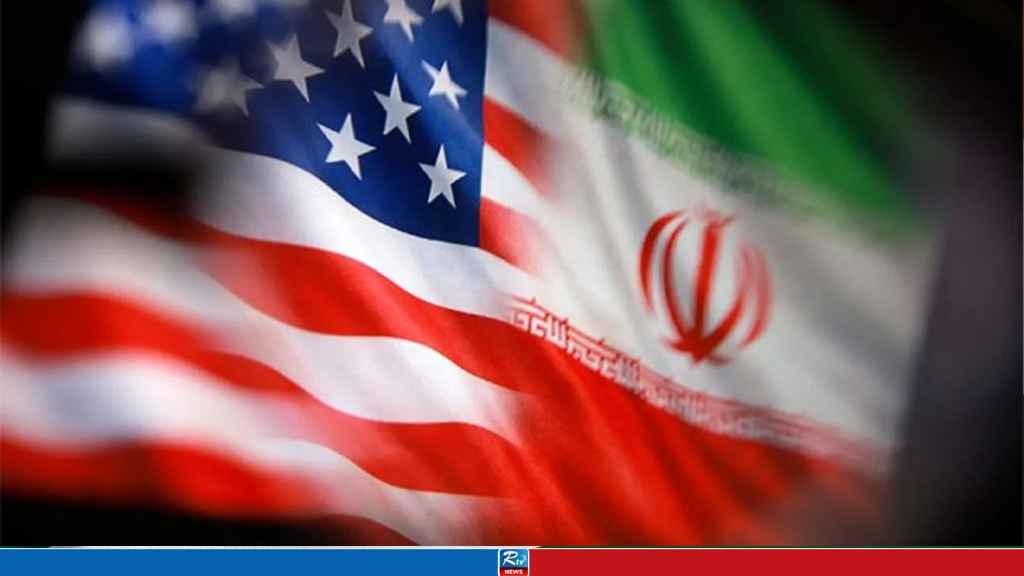
Immigrants currently staying in the United States under Temporary Protected Status (TPS) must either find a pathway to permanent residency or prepare to return to their home countries. US Secretary of Homeland Security Markwayne Mullin made these remarks on Sunday, as reported by the British news agency Reuters.
Mullin made the statement during an interview on CNN's "State of the Union" program. His remarks follow a divided ruling issued by the US Supreme Court last week regarding immigrants under Temporary Protected Status.
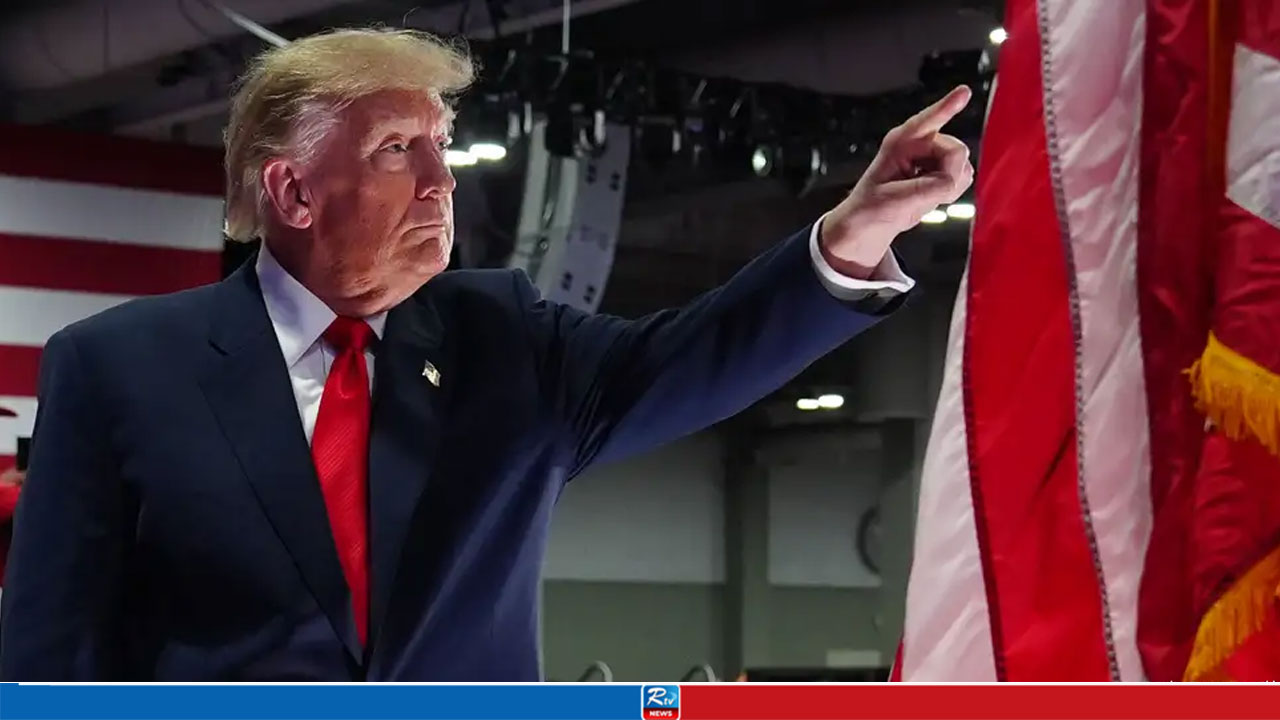
The Supreme Court ruling allows President Donald Trump's administration to revoke the humanitarian protected status of hundreds of thousands of Haitian and Syrian immigrants. Under the TPS framework, these immigrants had long been shielded from forced deportation to their home countries, which have been ravaged by conflict and extreme poverty.
"Immigrants must either complete the necessary legal processes to secure permanent residency here, or we will assist them in returning to their home countries," Mullin said.
He added, "We will provide your plane ticket alongside approximately $2,100 to help you resettle and start anew there. However, as the court's ruling and the very name implies, Temporary Protected Status is not a permanent arrangement."
Under US federal law, the administration can grant foreign nationals fleeing war, natural disasters, or other catastrophic crises temporary permission to reside legally in the country.
While the duration of this protection has been repeatedly extended in the past, initiatives have now been taken to revoke it. This comes despite the fact that the US Department of State currently maintains strict travel advisories for its own citizens regarding Haiti and Syria, citing severe risks of violence, crime, terrorism, and kidnapping.
The United States first granted TPS benefits to Haitian citizens following a devastating earthquake in 2010, and to Syrian citizens after the outbreak of civil war in 2012.
During the 2024 election campaign, Trump had leveled false allegations against Haitians living in Ohio, claiming they were capturing and eating their neighbors' pets. However, the conservative majority of the Supreme Court stated in their ruling that the Haitian plaintiffs suing the administration were unlikely to prove in court that the Trump administration's actions were racially biased.
Source: Reuters




 Live TV
 RTV Plus