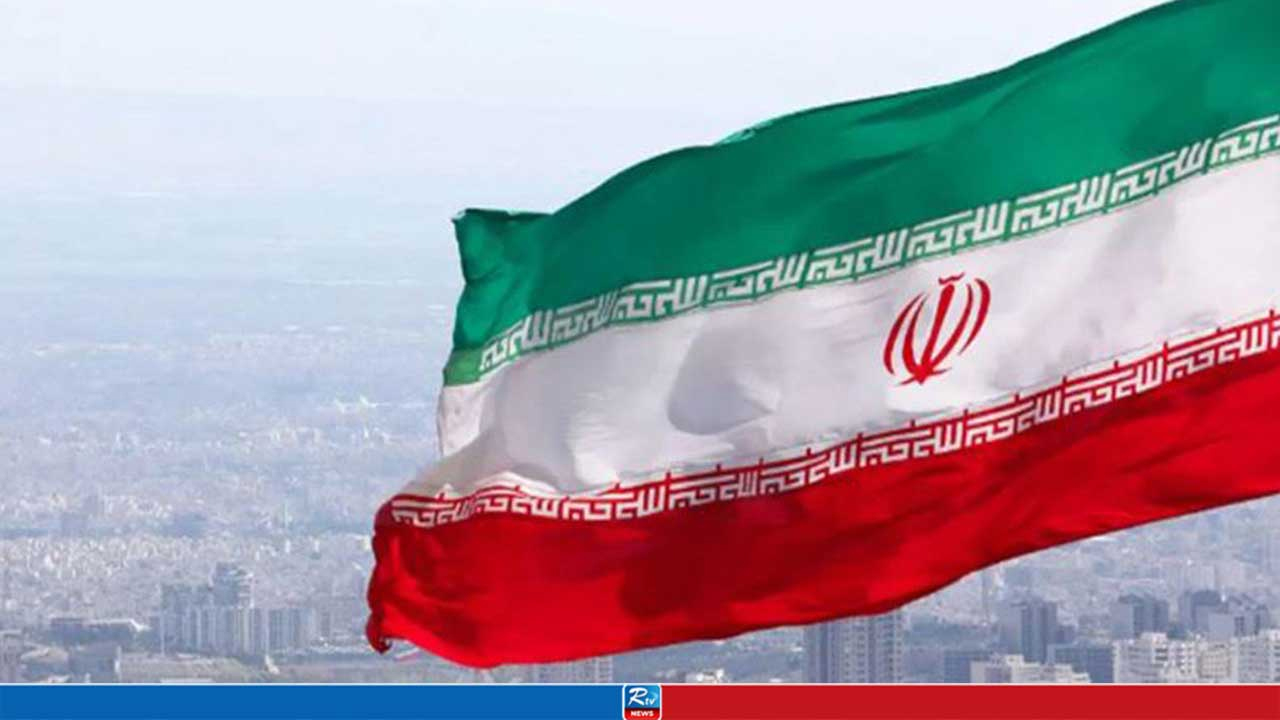
US President Donald Trump has threatened to carry out further attacks on Iran, stating that Washington can strike Tehran "at any time" if it wishes.
Meanwhile, the death toll from the latest US strikes in Iran has risen to 18, with at least 108 others injured.
Prior to Trump's threat on Wednesday, September 2, the two nations witnessed their largest exchange of retaliatory strikes since July.
US forces launched attacks on various cities and regions along Iran's southern coast, including a wedding party struck in the town of Kuhestak near the Strait of Hormuz.
In response, Iran targeted US bases located in Bahrain, Iraq, and Jordan.
Speaking to reporters at the White House, Trump stated that "very severe" strikes were carried out in Iran the previous night. He claimed that new military equipment Iran was attempting to manufacture near the Strait of Hormuz was also destroyed and signaled readiness for further attacks.
According to Iranian Health Minister Mohammad-Reza Zafarghandi, two children are among the dead, including a four-year-old. At least four people were killed in the strike on the wedding ceremony in Kuhestak.
Iranian Foreign Ministry spokesperson Esmaeil Baghaei termed the Kuhestak attack a "war crime," rejecting US claims that civilians were not targeted.
Meanwhile, the six-month-long conflict has driven up international oil prices and created volatility in the global economy, while tensions around the Strait of Hormuz continue to escalate.
Before the war, nearly one-fifth of the world's commercial oil was transported through this waterway, where shipping traffic has now dropped significantly.
According to former Pakistani Lieutenant General Tariq Khan, the US is increasingly finding itself in an "uncomfortable strategic position" in the war with Iran. He observed that while Iran cannot defeat the US in a conventional war, it aims to prolong the conflict and drive up military and political costs for Washington.
Source: Al Jazeera






 Live TV
 RTV Plus

