Commerce Minister Khandakar Abdul Muktadir announced on Sunday that Bangladesh has successfully cleared 48 out of the 61 non-tariff trade obstacles highlighted by the European Union, signaling major advancement in reinforcing reciprocal commerce relationships and opening the avenue for official negotiations regarding a Free Trade Agreement (FTA).
The remaining challenges are likewise being actively resolved, he stated while speaking during a collaborative press conference hosted at his ministry.
The minister stated that preparatory dialogues concerning an FTA and an Investment Protection Agreement with the EU, which represents Bangladesh’s primary export destination, are additionally scheduled to commence.
European Union Ambassador and Head of Delegation to Bangladesh Michael Miller, Prime Minister’s Adviser on Finance and Planning Dr Rashed Al Mahmud Titumir, State Minister for Foreign Affairs Shama Obaed Islam, and State Minister for Planning Zonayed Abdur Rahim Saki, among additional officials, participated in the briefing.
Muktadir recounted that an EU delegation, spearheaded by Ambassador Miller, flagged numerous distinct barriers impacting commerce with Bangladesh during a conference held in March.
In response to this, the National Board of Revenue, the ministries of agriculture, fisheries and livestock, and shipping, alongside other pertinent bodies, collaborated to settle the majority of the matters within an expedited timeframe, he noted.
Among the principal hurdles successfully addressed were complexities surrounding the renewal of operating licenses for 100 percent foreign-owned logistics enterprises, raising the annual ceiling for importing commercial samples from USD10,000 to USD20,000, and eliminating customs valuation disputes associated with smart cards utilized to guarantee the traceability of export commodities.
Addressing Bangladesh's endeavor to postpone its graduation status from the least developed country (LDC) classification by a span of three years, the minister disclosed that the feedback originating from the UN Committee for Development Policy (CDP) and the Economic and Social Council (ECOSOC) has been favorable.
The subject will be tabled before the 81st session of the United Nations General Assembly for a conclusive determination, he remarked, adding that robust EU backing will prove vital for Bangladesh.
EU Ambassador Miller conveyed that the European Commission has issued a constructive response after Bangladesh officially put forward a proposal for an FTA alongside an Investment Protection Agreement.
Collaborative technical deliberations could launch as early as the current week once requisite endorsements from EU member nations are finalized, he stated.
Miller emphasized the necessity of maintaining a transparent, dependable, and competitive commercial atmosphere to deepen economic collaboration between both parties.
He articulated optimism that talks regarding the prospective acquisition of Airbus aircraft will progress swiftly as a component of broader initiatives to broaden aviation connectivity and trade partnership between Bangladesh and the EU.
Addressing an inquiry concerning procurements originating from the United States, Muktadir clarified that Bangladesh perpetually weighs national priorities, economic justification, and civic demands when formulating purchasing policies.
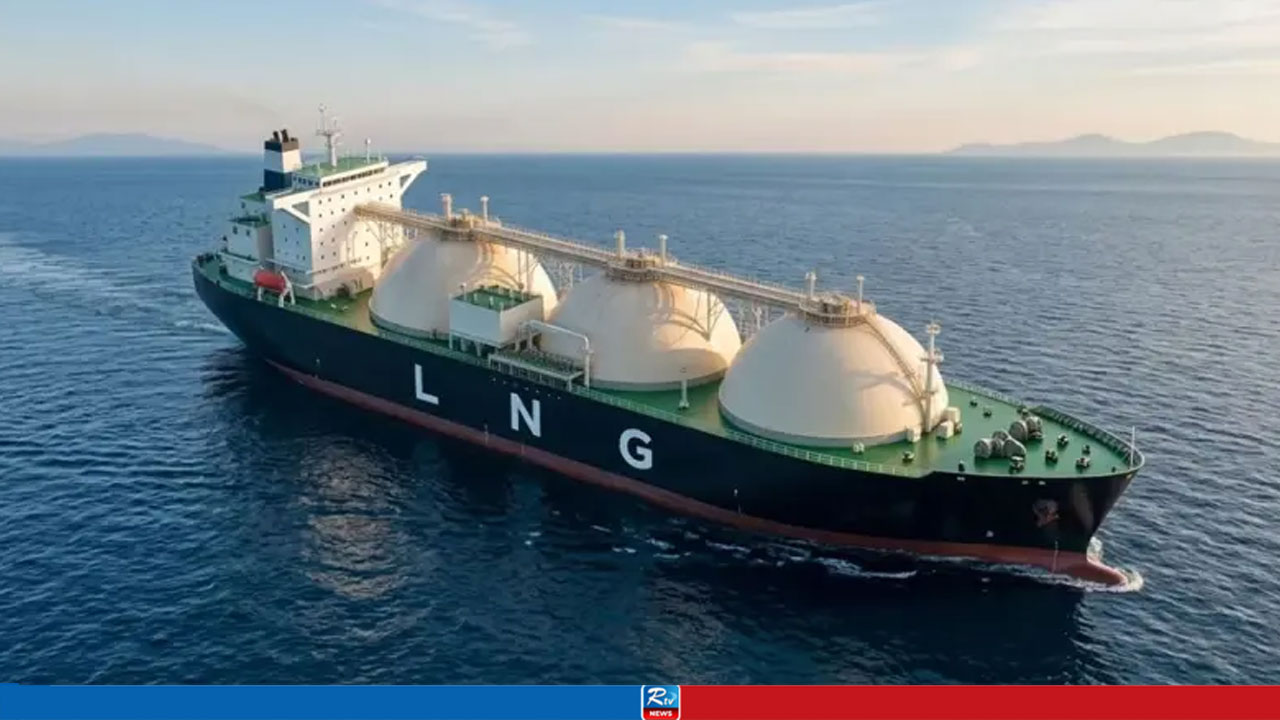
He noted that state procurement committees evaluate variables encompassing competitive pricing, merchandise quality, and loss percentages prior to sanctioning purchases of commodities such as liquefied natural gas and staple foodstuffs.
Bangladesh's commercial strategy is governed by zero external influence from any singular nation, the minister stated, asserting that the country's economic priorities and public welfare serve as the foundational bedrock for such choices.





 Live TV
 RTV Plus