Iran’s theocratic government has escalated its judicial and military rhetoric to a breaking point, threatening protesters with execution as the nationwide uprising enters its third week.
Rights activists and monitoring agencies reported on Sunday that the death toll has surged to at least 116 people while the number of detainees has surpassed 2,600, including women and children.
Judicial Threats and Hate Speech
In a move that signals a brutal new phase of the crackdown, Attorney General Mohammad Movahedi Azad issued a chilling warning on Sunday.
He declared that participating in or assisting the demonstrations could lead to charges of being an 'Enemy of Allah (Moharebeh)'—a crime that carries the death penalty under Iran’s penal code.
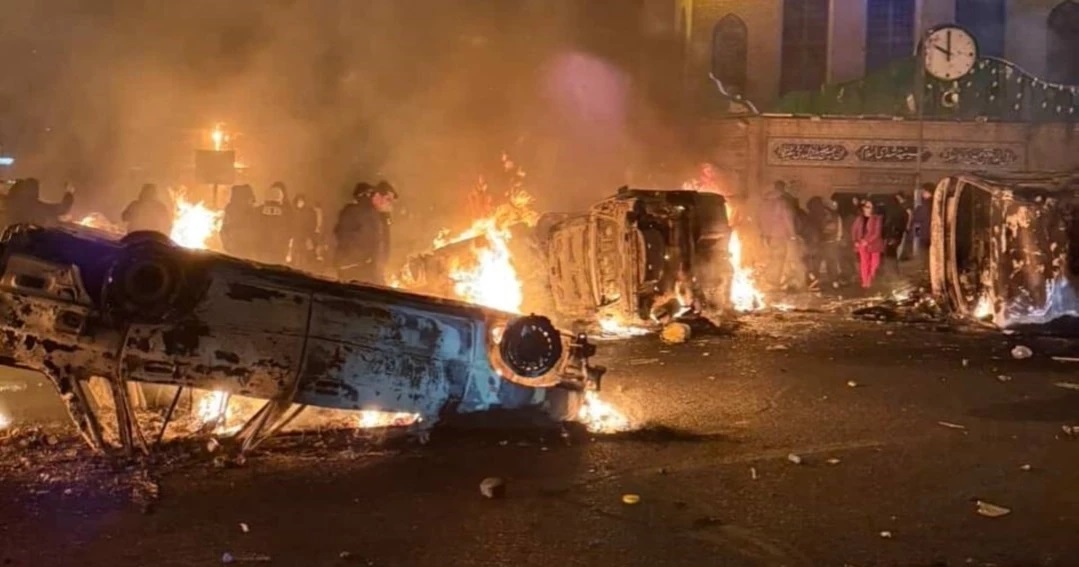
Despite these threats and a near-total internet blackout, verified footage shows resilient crowds in Tehran’s Saadatabad district and the holy city of Qom chanting "Death to Khamenei."
In the eastern city of Mashhad and western Hamedan, protesters have been seen waving the pre-revolutionary lion-and-sun flag, symbolizing a direct challenge to the 1979 Islamic system.
Information Fog and Hidden Violence
With connectivity monitor NetBlocks reporting virtually no internet traffic for several days, international observers fear the blackout is being used to mask a "massacre."
Amnesty International and Iran Human Rights (IHR) have highlighted distressing reports of security forces using lethal force, including snipers and metal pellets. IHR recently shared verified images of bodies lining the floors of Alghadir Hospital in eastern Tehran, which they cited as "clear evidence of excessive and lethal force."
Conversely, state-run media has shifted its narrative to label all demonstrators as “terrorists” and “saboteurs.”
The Revolutionary Guard and the Iranian army released joint statements vowing to "vigorously safeguard national interests," while broadcasting images of burned mosques and funerals for security personnel to justify the use of force.
Global Tensions and Trump’s Resolve
The domestic crisis is increasingly intertwined with international geopolitics. US President Donald Trump has utilized social media to signal that the "USA stands ready to help," asserting that Iranians are seeking freedom "perhaps like never before."
These comments follow reports that the White House has been briefed on military options, following the US-Israeli strikes against the Islamic Republic last June.
From exile, Reza Pahlavi, the son of the deposed Shah, has urged a shift in tactics, calling on citizens to move beyond street marches and prepare to "seize and hold city centers."
A Nation at a Crossroads
What began on December 28 as an outcry over the collapse of the rial and the soaring cost of living has transformed into a foundational threat to the clerical establishment. As the working week began on Saturday, the streets of Tehran remained plunged in darkness and heavy security presence.
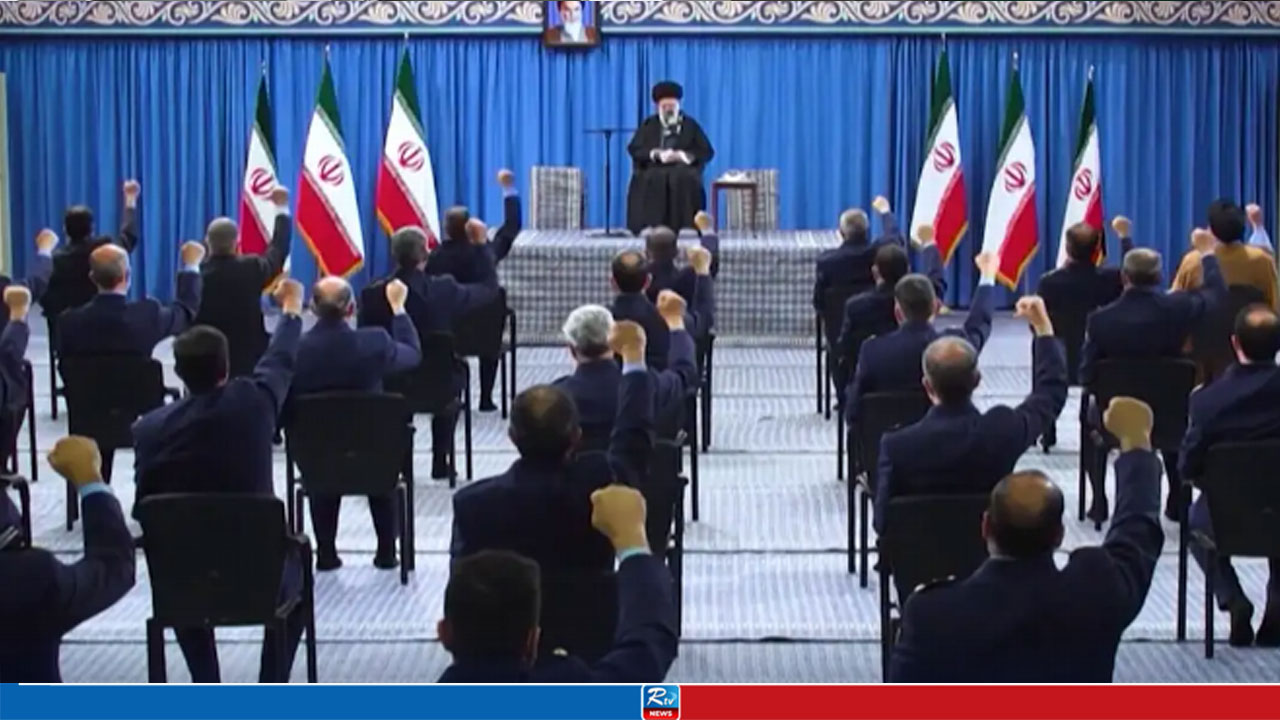
While European Union chief Ursula von der Leyen and other global leaders have condemned the "violent repression," the Iranian leadership remains defiant, with Supreme Leader Ayatollah Ali Khamenei insisting the movement is a foreign-funded plot that will eventually be crushed.





 Live TV
 RTV Plus