In a series of high-stakes diplomatic maneuvers, US President Donald Trump has indicated a preference for dialogue over military action with Iran, while simultaneously claiming credit for a week-long humanitarian pause in the Russian-Ukrainian conflict.
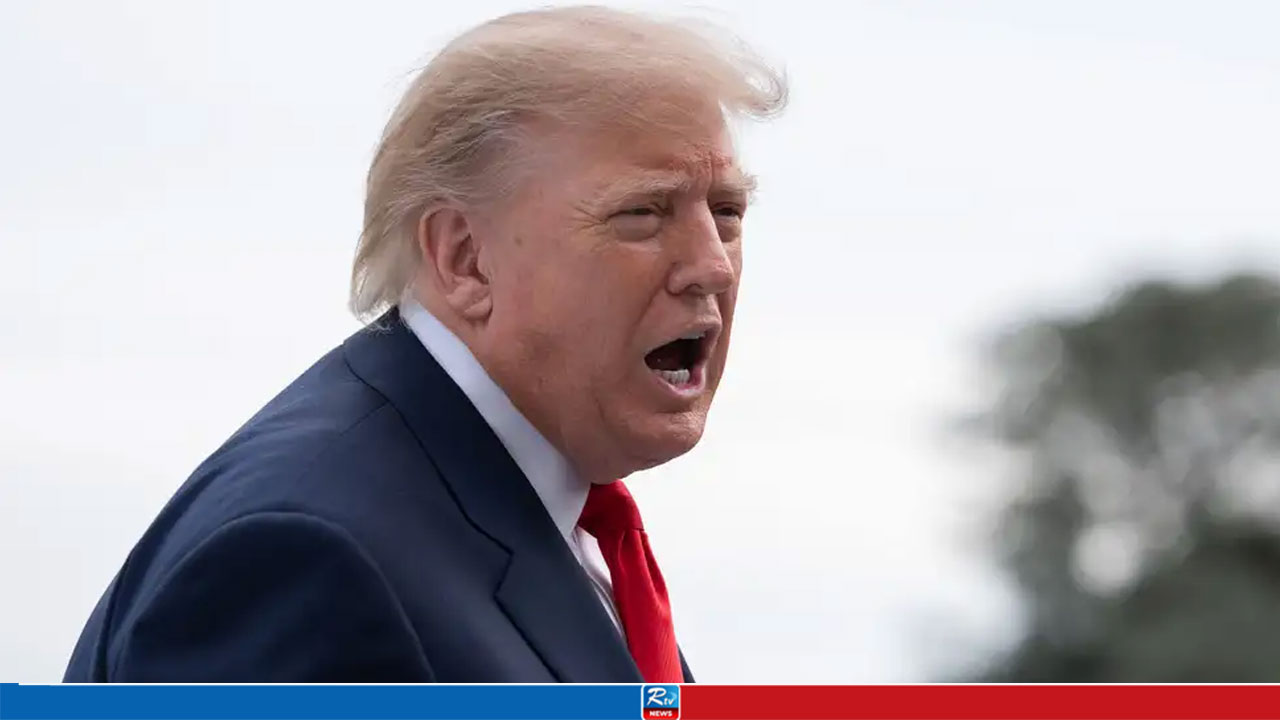
Speaking at the premiere of a documentary about First Lady Melania Trump, the President addressed the massive US naval buildup currently heading toward Iran.
While acknowledging that "very big, very powerful ships" are in motion, Trump expressed hope that military force will not be necessary.
"I have had [talks] and I am planning on it," Trump said regarding negotiations with Iranian leadership.
His comments come amid reports that he is demanding two primary concessions from Tehran: a complete halt to their nuclear program and an end to the crackdown on domestic protesters.
Despite the diplomatic overture, US Secretary of War Pete Hegseth warned earlier on Thursday that the military remains prepared to act, emphasizing that Trump is "dead serious" about preventing a nuclear-armed Iran.
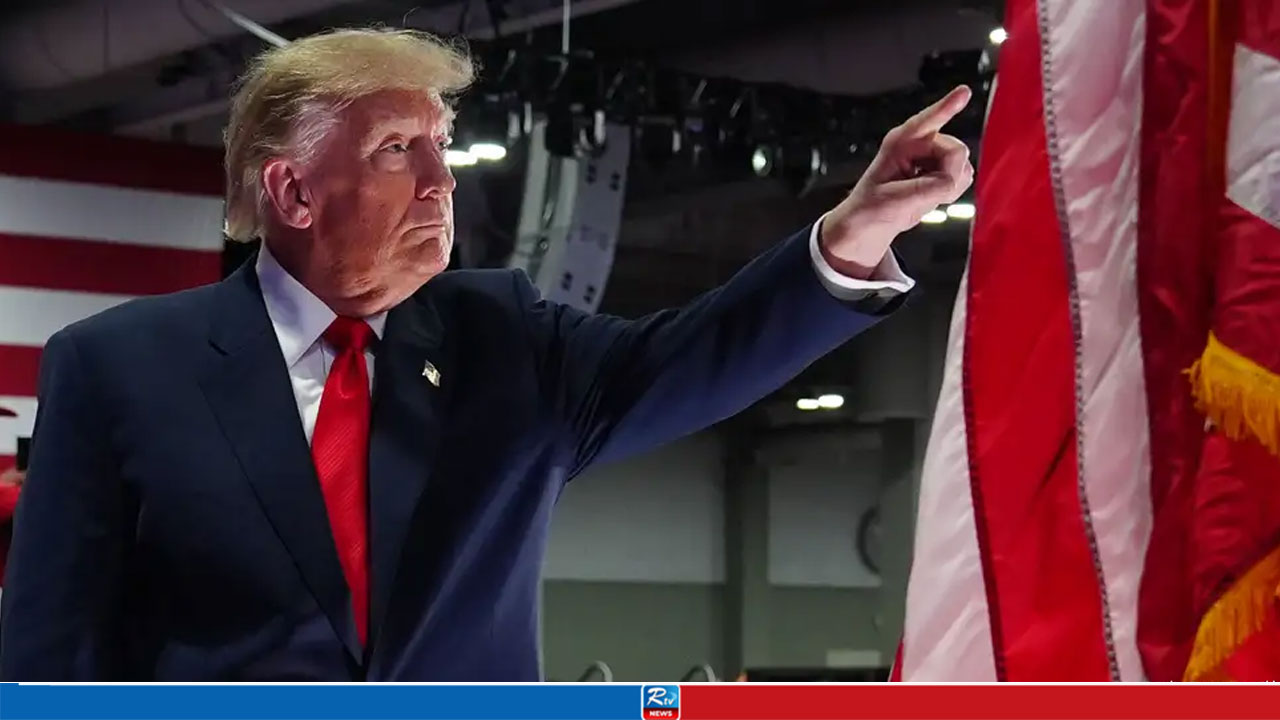
On the European front, Trump announced during a White House cabinet meeting that Russian President Vladimir Putin has agreed to a personal request to halt strikes on Kyiv and other Ukrainian cities for one week.
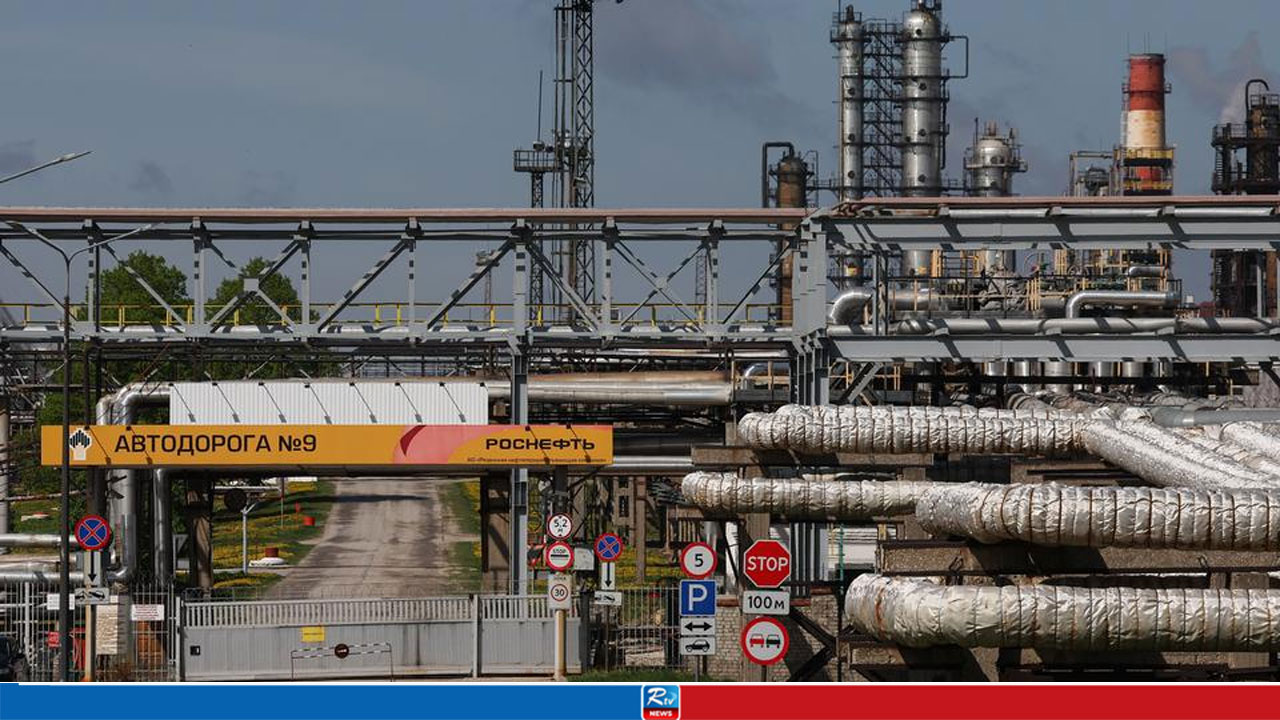
The humanitarian pause is aimed at providing relief during an "extreme" cold snap, with temperatures in Ukraine forecast to plunge as low as -30°C (-22°F).
"Because of the cold... I personally asked President Putin not to fire on Kyiv and the cities and towns for a week," Trump stated, noting that Putin’s agreement was "very nice."
While the Kremlin has not officially confirmed the truce, Ukrainian President Volodymyr Zelensky thanked Trump for the statement, noting that an "energy ceasefire" had been a key topic during recent trilateral talks in Abu Dhabi.
The announcement of the pause follows intense negotiations involving Trump's special envoy Steve Witkoff and son-in-law Jared Kushner.
Witkoff reported that "significant progress" has been made on a security protocol and a prosperity plan for Ukraine’s reconstruction.
In Europe, German Chancellor Friedrich Merz welcomed the efforts toward a truce but remained cautious.
Through a spokesperson, Merz condemned the "systematic and brutal destruction" of civilian infrastructure that has preceded this moment, warning that any failure by Putin to honor the ceasefire could lead to a "massive tightening of sanctions."
As a second round of trilateral talks is scheduled to begin this Sunday in Abu Dhabi, the world remains watchful to see if these personal appeals translate into a lasting de-escalation on both global fronts.
Source: AFP



 Live TV
 RTV Plus