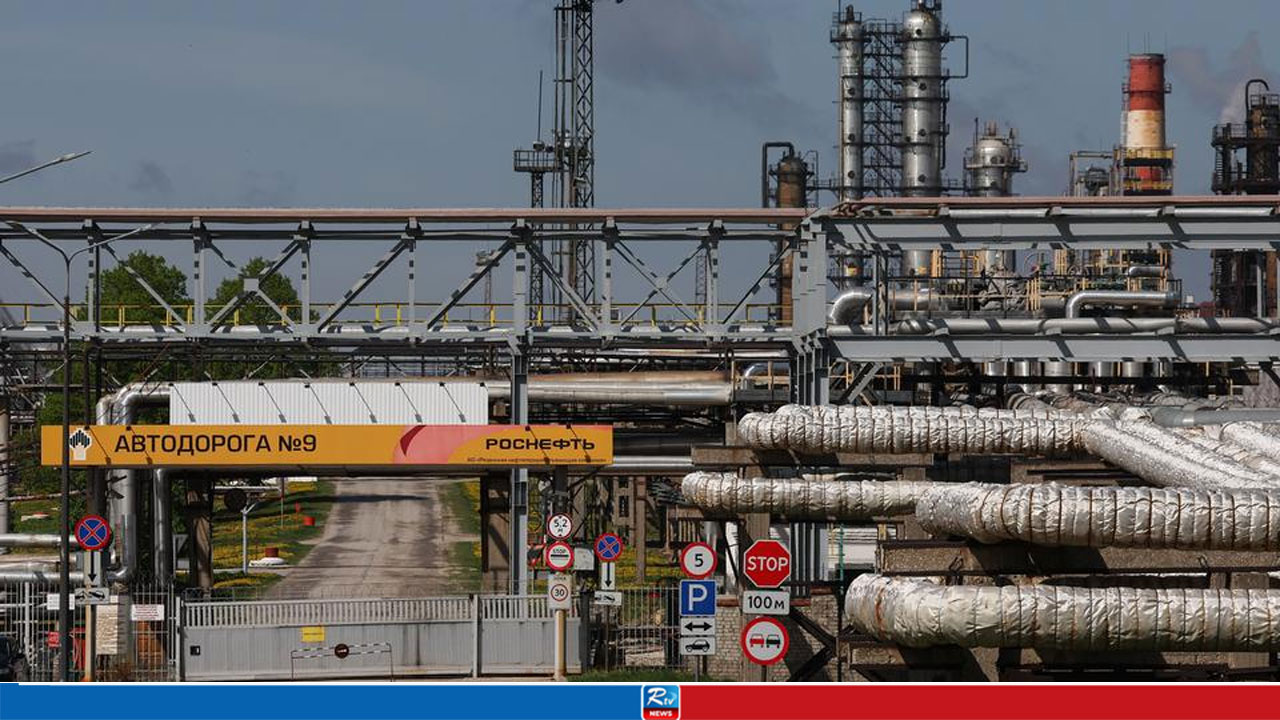
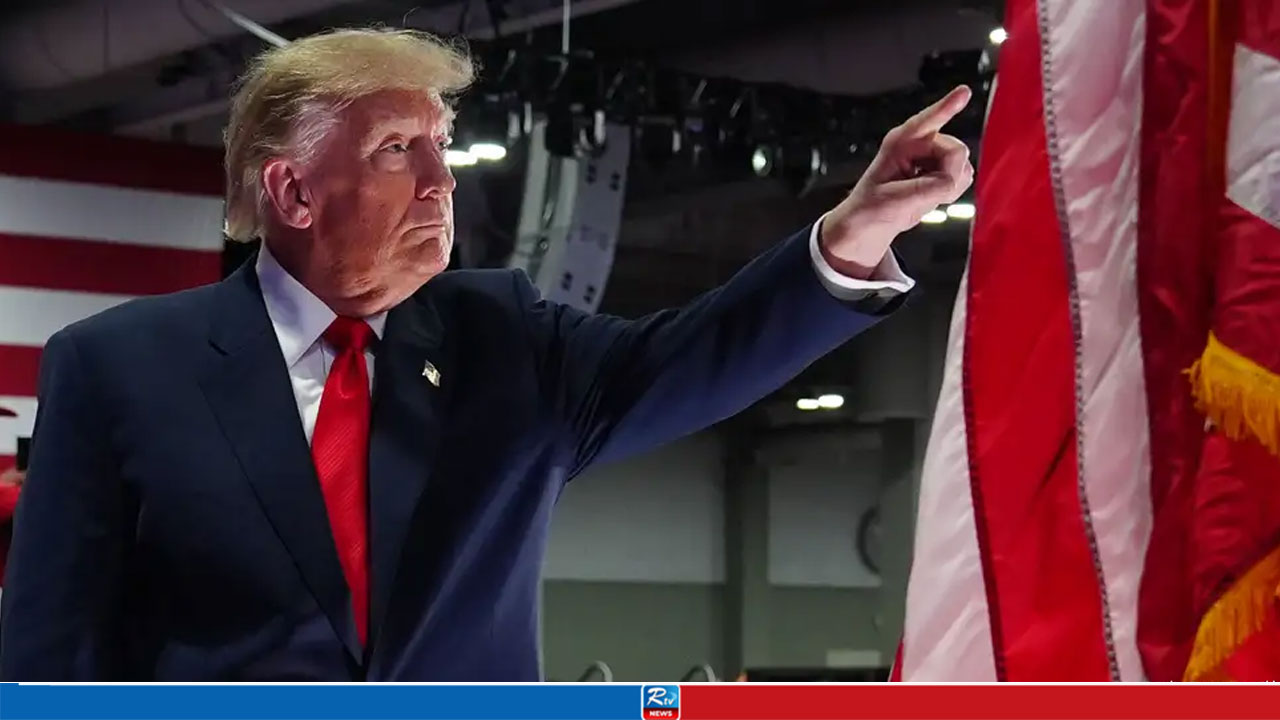
President Donald Trump stated on Wednesday that U.S. military assets, including warships and aircraft, will remain stationed in and around Iran to ensure full compliance with the newly brokered ceasefire agreement.
Writing on his social media platform, Truth Social, the President asserted:
He further warned that if the terms are not met, the "shootin' starts" with a military response that would be "bigger, better, and stronger" than before.
Tensions Threaten Fragile Truce
The President's remarks come at a sensitive time as the two-week ceasefire—mediated by Pakistan—faces its first major hurdles:
The Lebanon Conflict: Iran has labeled the continuation of permanent peace talks "illogical" following a wave of intense Israeli airstrikes in Lebanon that killed hundreds.
While Pakistan and Iran maintain the truce should cover all fronts, President Trump and Israeli Prime Minister Benjamin Netanyahu have clarified that the campaign in Lebanon is a "separate skirmish" not included in the deal.
The Hormuz Deadline: The ceasefire was announced just two hours before a Tuesday night deadline set by Trump, who had previously threatened the "destruction of Iranian civilization" if the Strait of Hormuz was not reopened and a deal reached.
Upcoming Negotiations in Islamabad
Despite the ongoing violence in Lebanon and the "complete distrust" expressed by Tehran, both nations are still scheduled to send delegations to Islamabad, Pakistan, this Friday (April 10).
The negotiations are expected to use a 10-point proposal submitted by Iran as a "workable basis" for a long-term peace agreement.
Key points of contention include the withdrawal of U.S. combat forces from the region, sanctions relief, and the permanent status of maritime transit through the Strait of Hormuz.
Global markets have reacted with cautious optimism to the pause in hostilities, with oil prices dropping significantly from their $120-per-barrel peak earlier this week. However, analysts warn that the ceasefire remains "Pyrrhic" and highly unstable as long as strikes continue in Lebanon.




 Live TV
 RTV Plus