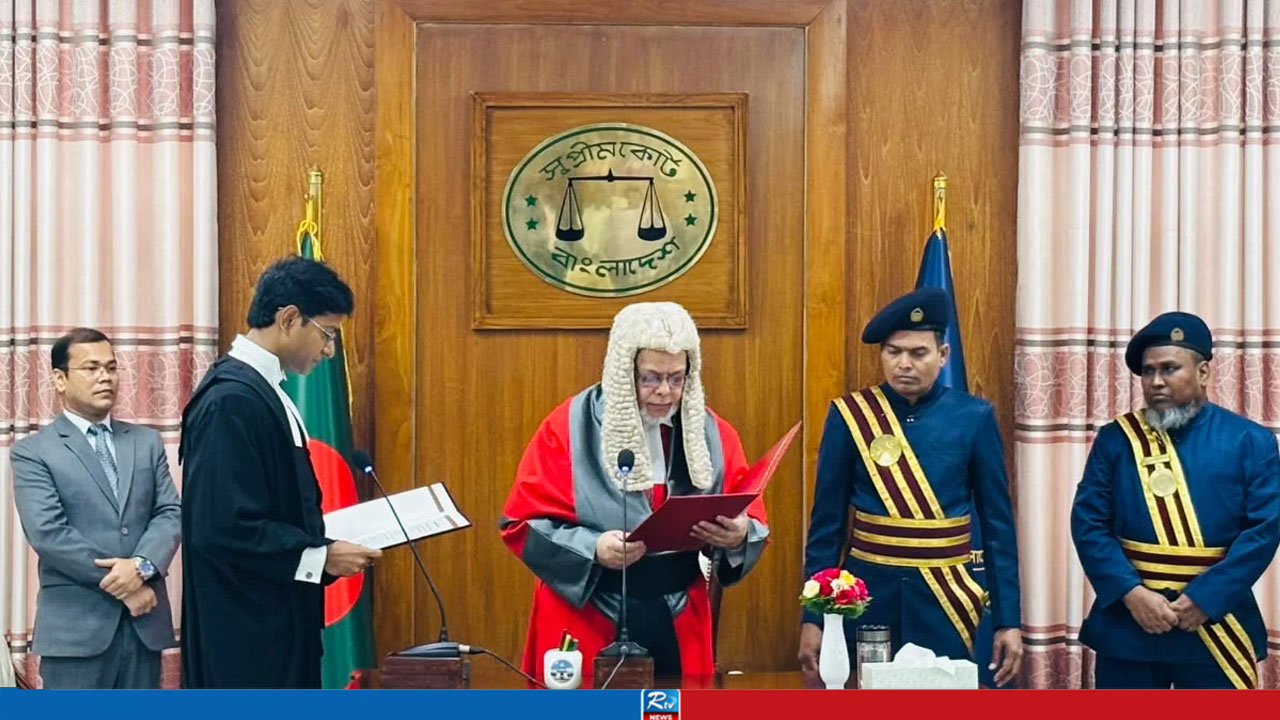
The International Crimes Tribunal (ICT)-2 on Thursday sentenced two former policemen to death for the killing of Begum Rokeya University (BRUR) student Abu Sayed during the 2024 July-August Mass Uprising.
The convicts, found guilty of crimes against humanity, are former assistant sub-inspector (ASI) Amir Hossain and former constable Sujan Chandra Roy.
The three-member tribunal, led by Justice Nazrul Islam Mazumder, delivered the verdict this afternoon. In a poignant pre-verdict observation, the tribunal chairman reflected on the iconic moment of the student's stance:
“On the day of the incident, Abu Sayed stood with his two hands outstretched. He believed those standing before him were human, but in reality, they had lost their humanity. They shot at him.”
Trial Proceedings and Convicts
The court session began at 12:10 pm, with the summary of the judgment being read from 12:15 pm until 12:50 pm. The verdict follows a legal process where the case was kept under CAV (curia advisari vult) since January 27, after the prosecution had sought maximum punishment on January 25.
Of the 30 individuals accused in the case, only six are currently in custody and faced trial in person. These include:
Amir Hossain (Former ASI) and Sujan Chandra Roy (Former Constable) – Sentenced to death.
Shariful Islam (Former BRUR Proctor), Rafiul Hasan Russel (Former Assistant Registrar), Md Anwar Pervej (Former Staffer), and Imran Chowdhury Akash (Former BRUR Chhatra League General Secretary).
The remaining 24 accused, including former BRUR Vice-Chancellor Professor Dr. Md Hasibur Rashid and former Rangpur Metropolitan Police Commissioner Md Moniruzzaman, were tried in absentia as they remain at large.
The investigation agency submitted its probe report on June 24, 2025, following a complaint filed by Abu Sayed’s family on January 13, 2025. Charges were formally framed against all 30 accused on August 6, 2025.
According to the prosecution, the incident occurred on July 16, 2024.
It was alleged that the then-proctor, aided by Chhatra League activists, forced students off the campus shortly before two policemen fired at Abu Sayed from close range as he stood unarmed with his arms outstretched—an image that became a defining symbol of the uprising.





 Live TV
 RTV Plus